
Best Time to Visit London: Month-by-Month & Seasonal Guide for 2026
We get asked 'when should I come to London?' more than almost any other question, and after years of booking trips, queuing at the actual attractions, and walking the same parks through every season, our honest answer is that there is no single best time. London genuinely reshapes itself month to month. We have watched Hyde Park go from bare branches in February to full blossom by late April, stayed out on the South Bank past 9pm under June daylight, and had whole museum galleries almost to ourselves on a wet January morning. The right time for you comes down to what you want out of the trip: warm sightseeing days, thin crowds, or low prices. This guide is built from our own repeat visits in 2026, and it walks you through every season and month so you can plan with confidence.
When Is the Best Time to Visit London?
Best weather: May to July, September
Cheapest: January to February
Least crowded: November to early March
Best for sightseeing: April to June, September
Best for families: June to August
Best for museums: January to March, October to November
Best for outdoor activities: May to September
Best Season to Visit London
Spring (March–May)
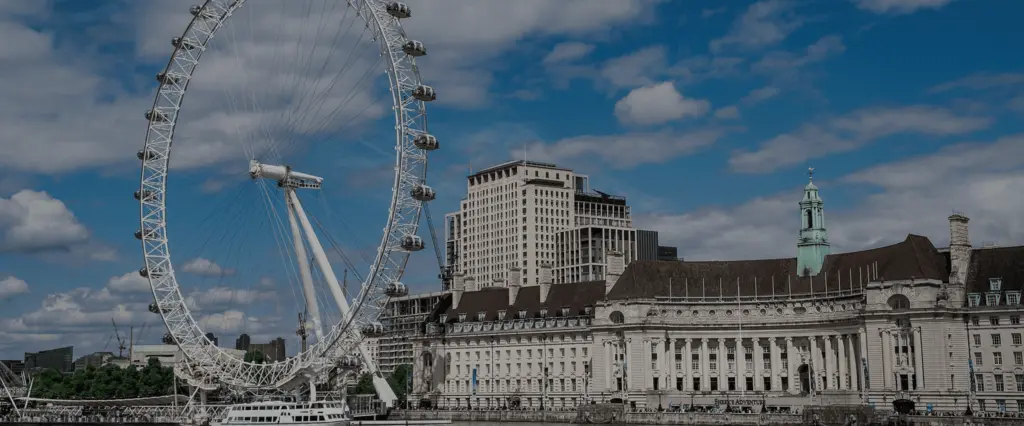
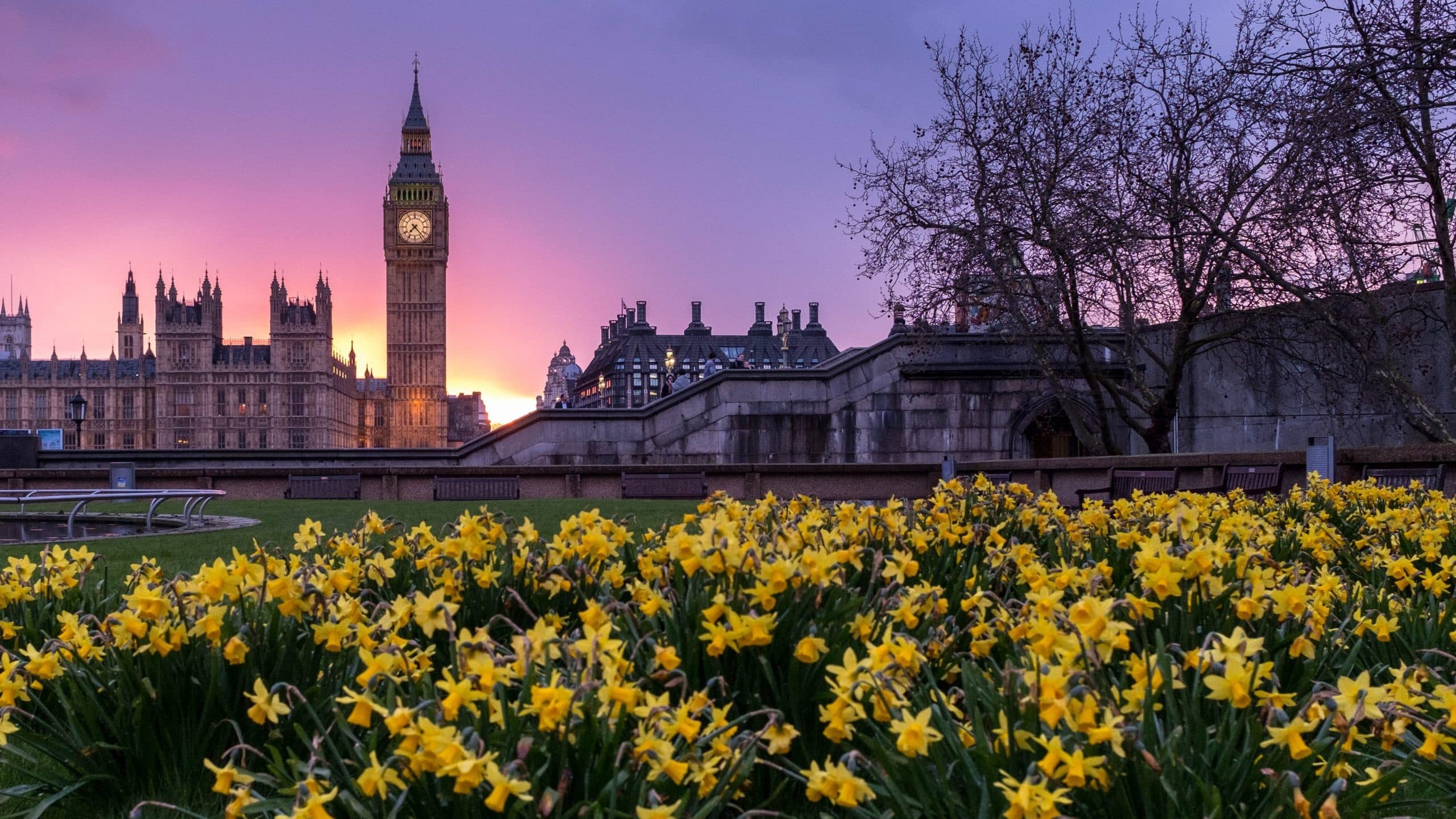
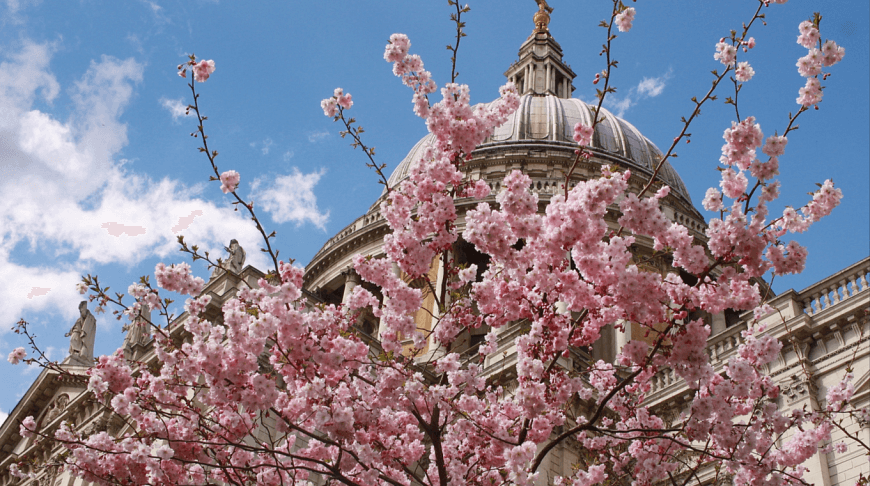
Spring is our favourite time to send first-time visitors. The city shakes off winter fast: by late March we start seeing daffodils along the Broad Walk in Kensington Gardens, and by mid-April the cherry blossom in Greenwich Park and St James's Park is worth planning a morning around. Through March and early April the big sights stay calm, and we have walked onto the London Eye on a weekday morning with barely a wait.
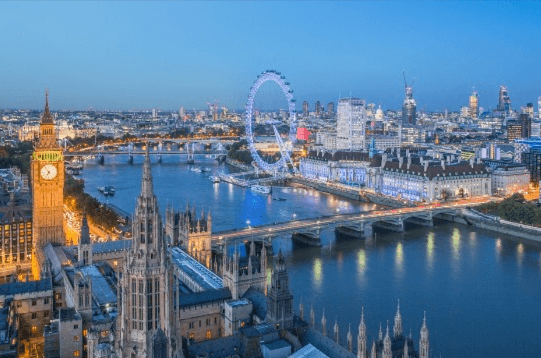
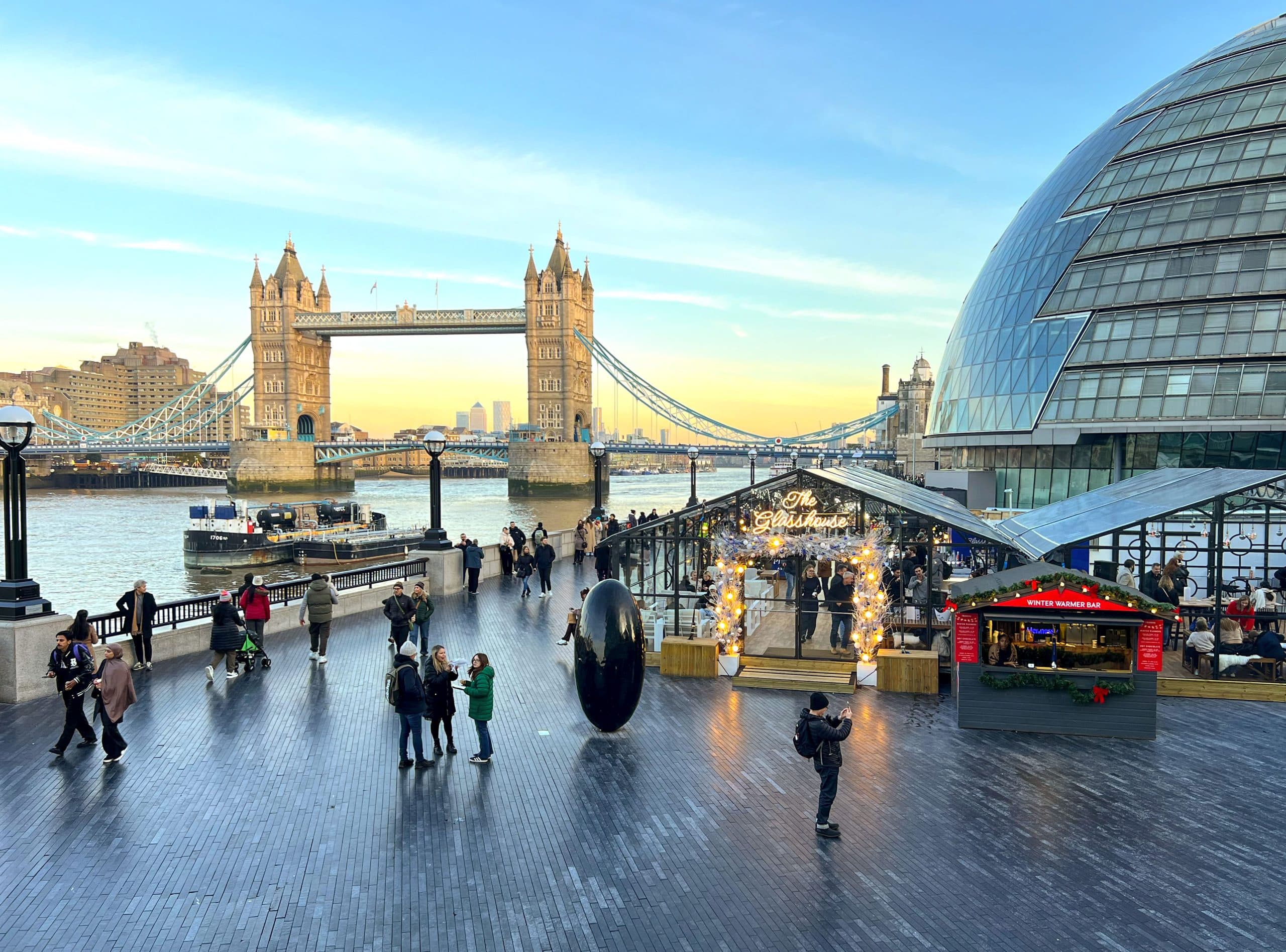
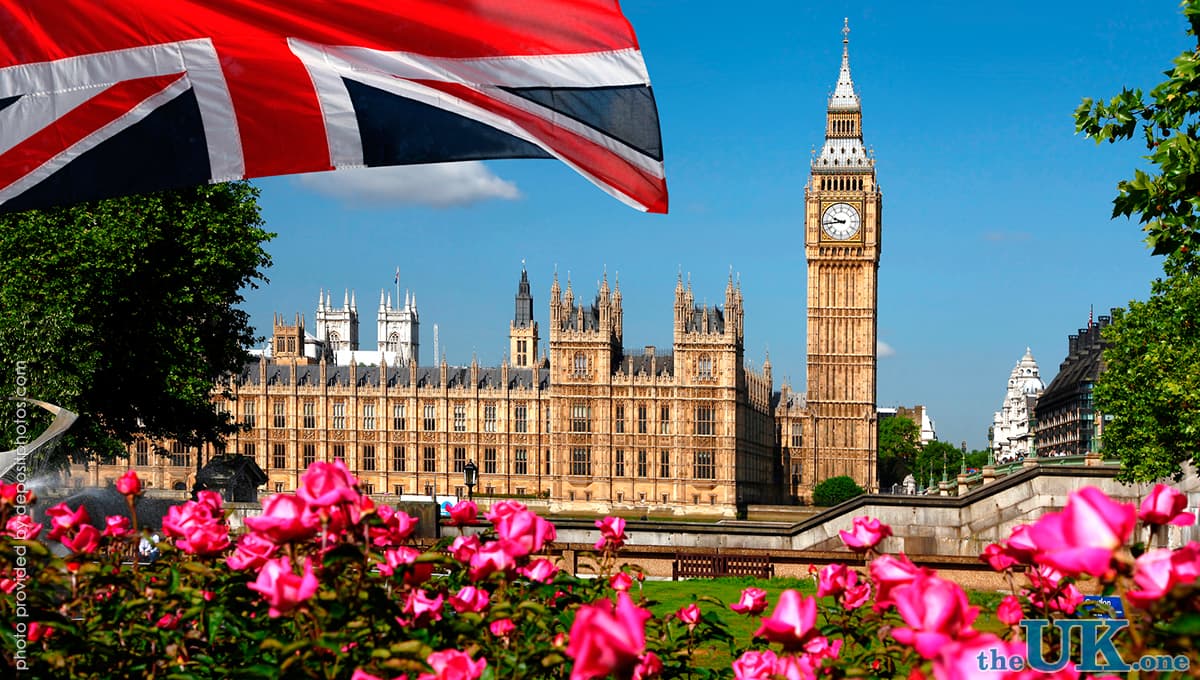
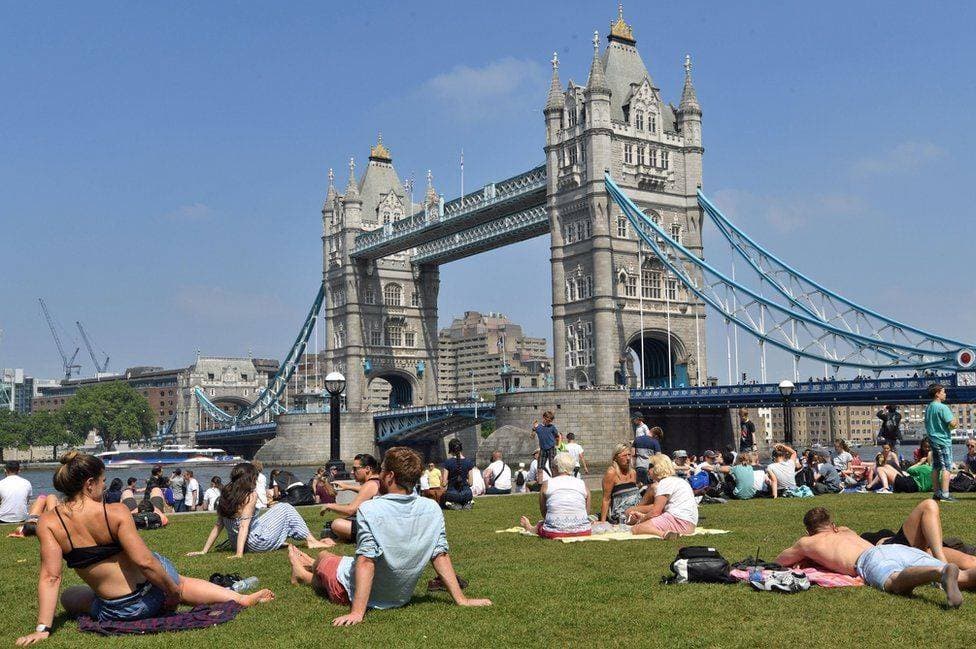
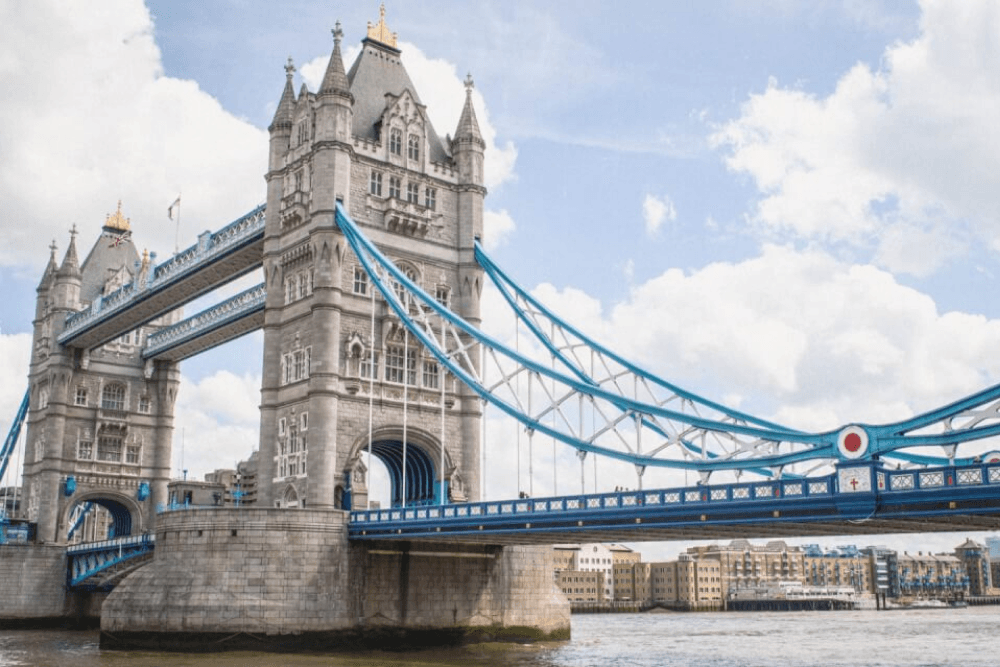
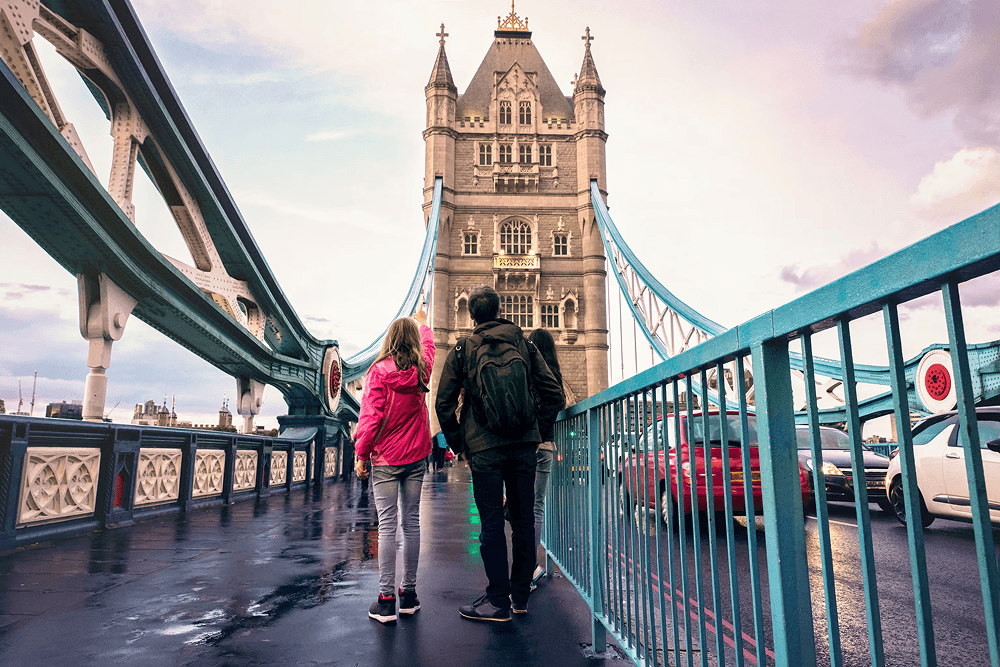
By May the city feels properly alive again, with daylight stretching past 8pm and outdoor tables filling up across Soho and the South Bank. This is the sweet spot many of our team return to year after year, because you get pleasant weather without the full summer crush. We have crossed Tower Bridge on a clear May evening with room to actually stop and take photos, something that is far harder in July and August.
Weather: Mild, 6°C to 15°C, occasional rain
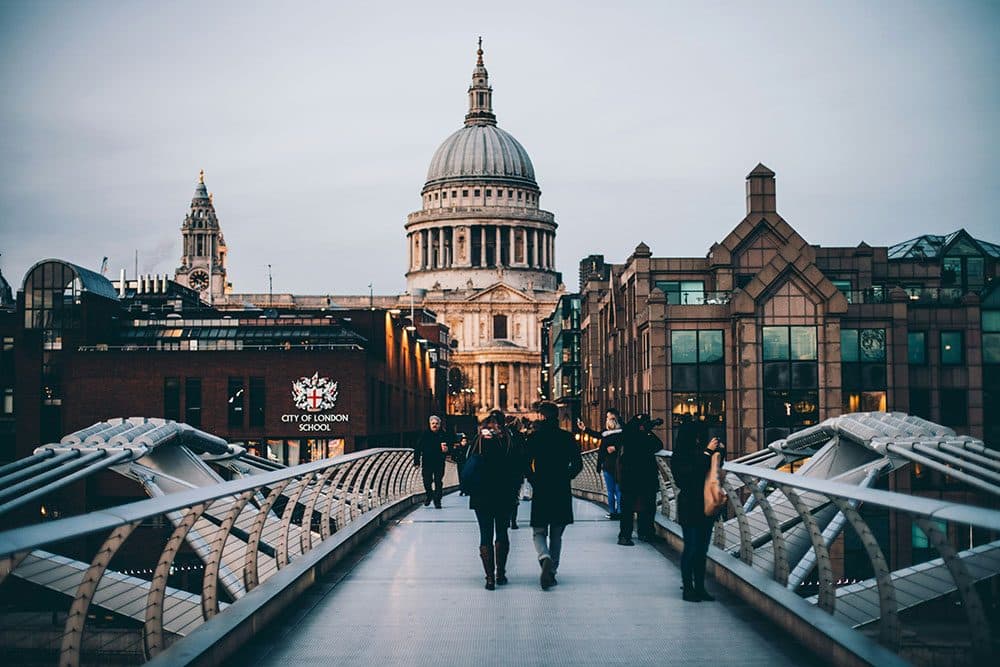
What to see: Tower Bridge, Hampton Court Palace, Kensington Palace, St Paul's Cathedral
Summer (June–August)
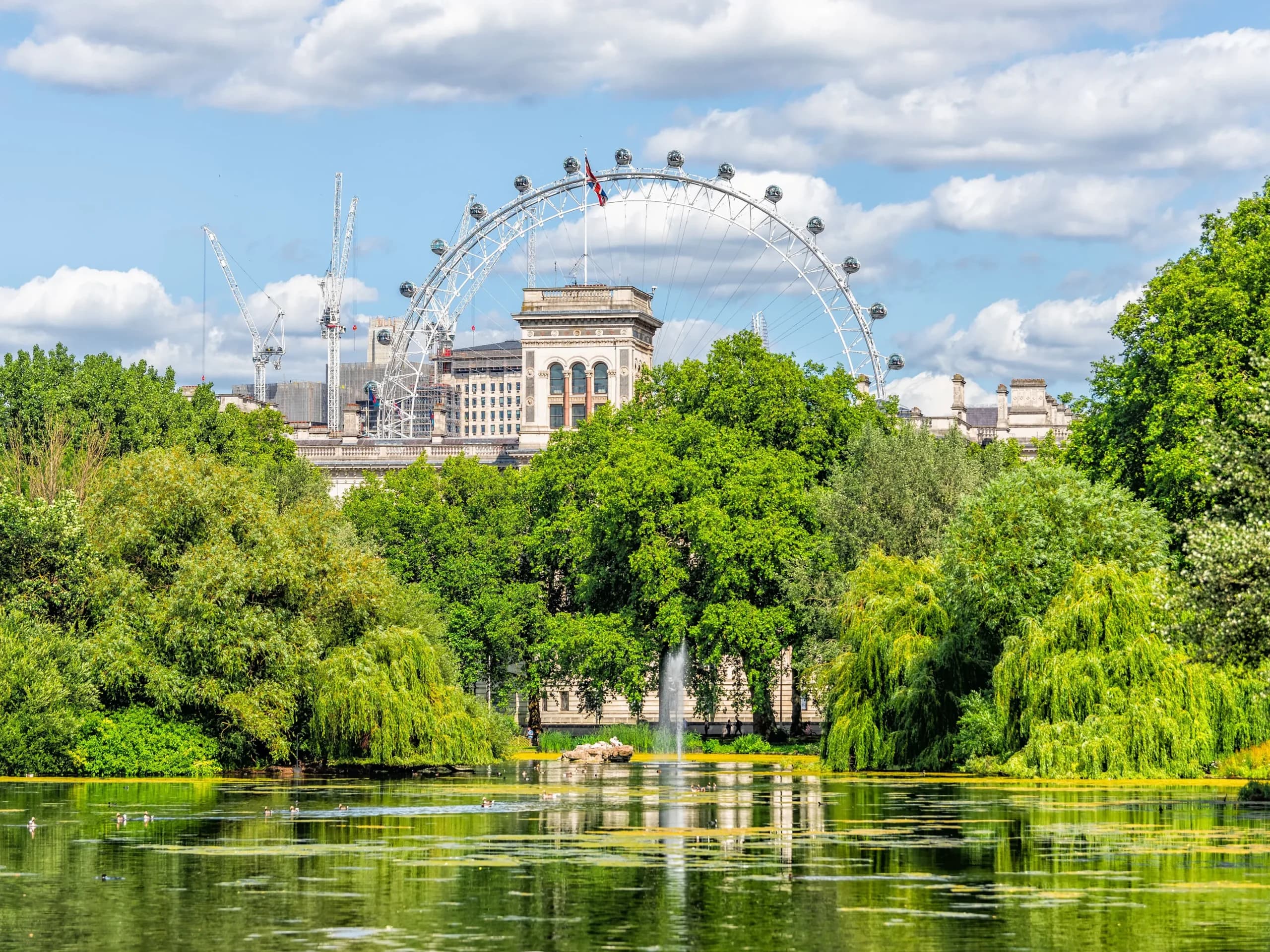
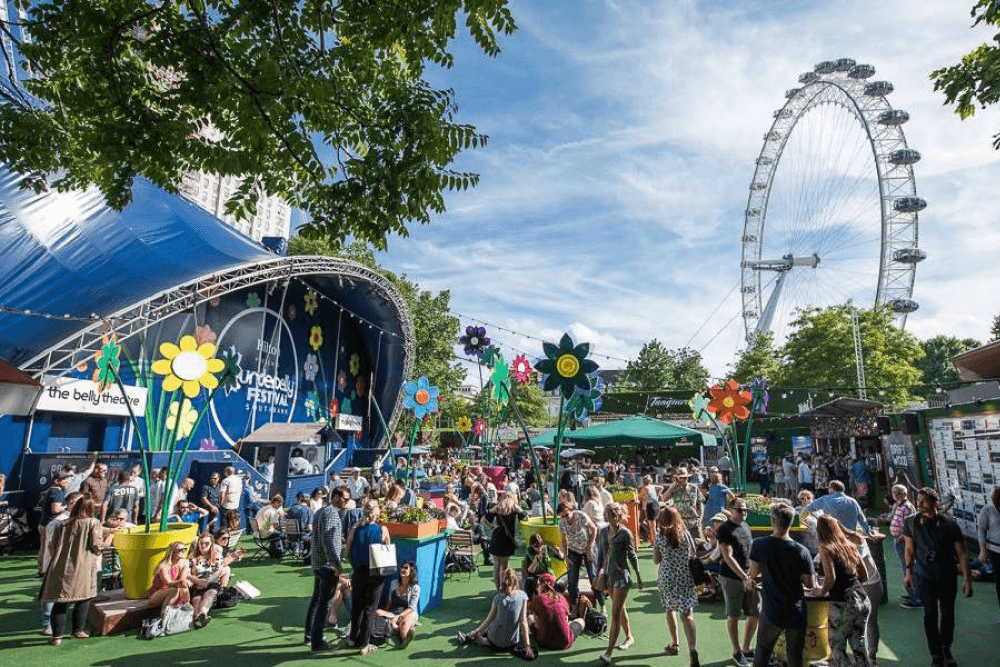
Summer is when London is at its busiest, and we feel it the moment we step off the Tube at Westminster or Tower Hill. The weather is warm enough for river cruises, rooftop bars, and long evenings outdoors, and attractions like the London Eye and Up at The O2 run at full tilt. We love the energy, but we will be honest: queues are long and prices climb, so this is the season where booking ahead matters most.
Our practical advice from doing this every year is to start early. We aim to be at the headline attractions by opening time, before the coach groups arrive, and we keep midday for indoor stops or a shaded picnic in one of the royal parks. The payoff for the crowds is daylight: with the sun up past 9pm in late June, you can comfortably fit two or three attractions into a single day and still catch sunset on the river.
Weather: Warm, 13°C to 23°C, occasional heatwaves
What to see: London Eye, Up at The O2, Legoland Windsor, Uber Boat by Thames Clippers
Autumn (September–November)
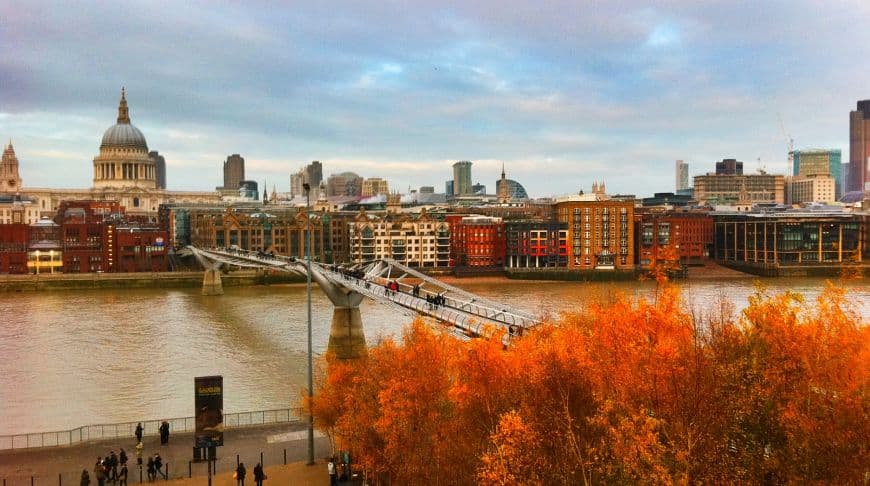
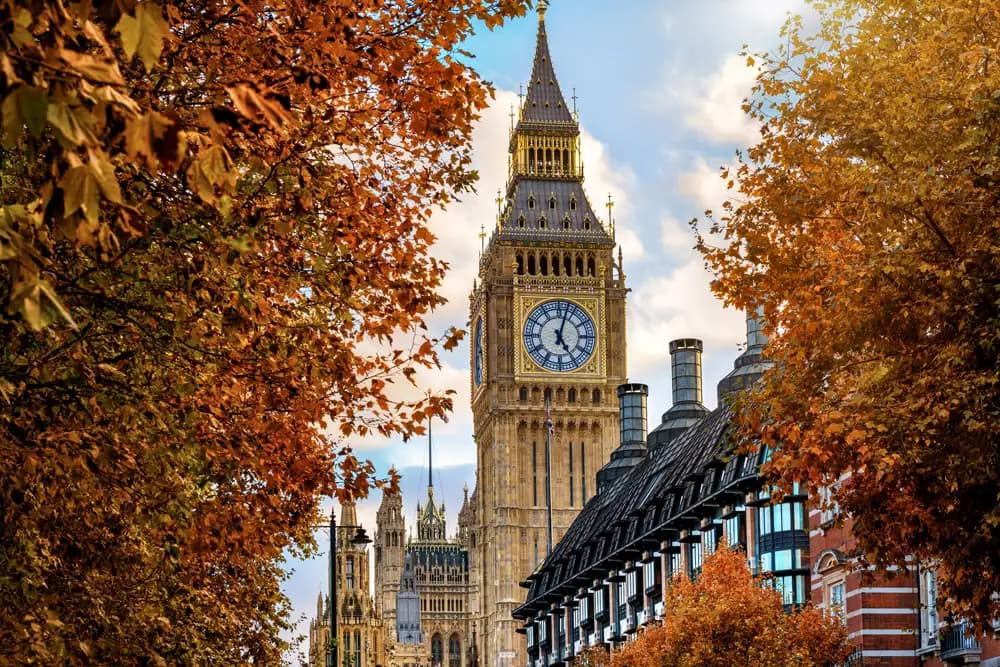
Autumn is the season we quietly recommend to anyone who wants London without the squeeze. Once UK schools go back in early September the crowds thin noticeably, and by October the parks turn properly golden. Richmond Park and Hampstead Heath are where we head with a camera; the light through the trees in late October is hard to beat, and the walking paths are far quieter than in summer.
It is also the season we lean into indoor culture. Cooler, shorter days make immersive spaces like Frameless and the Churchill War Rooms an easy call, and we have never had to fight for elbow room the way we do in August. Hotel rates ease off after the summer peak too, so this is a stretch of the year where our own trips tend to feel like better value.
Weather: Cool, 9°C to 16°C
What to see: Churchill War Rooms, Frameless, Van Gogh Experience London, Moco Museum London
Winter (December–February)
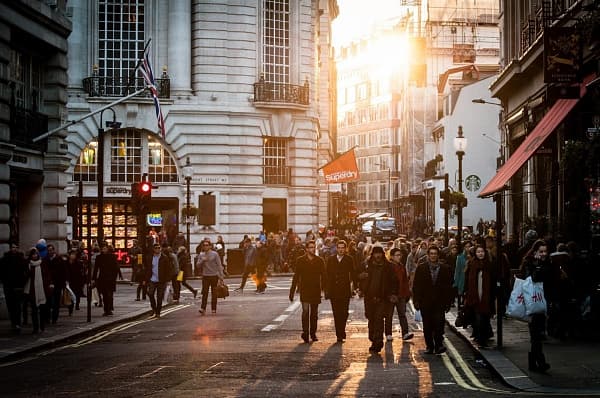
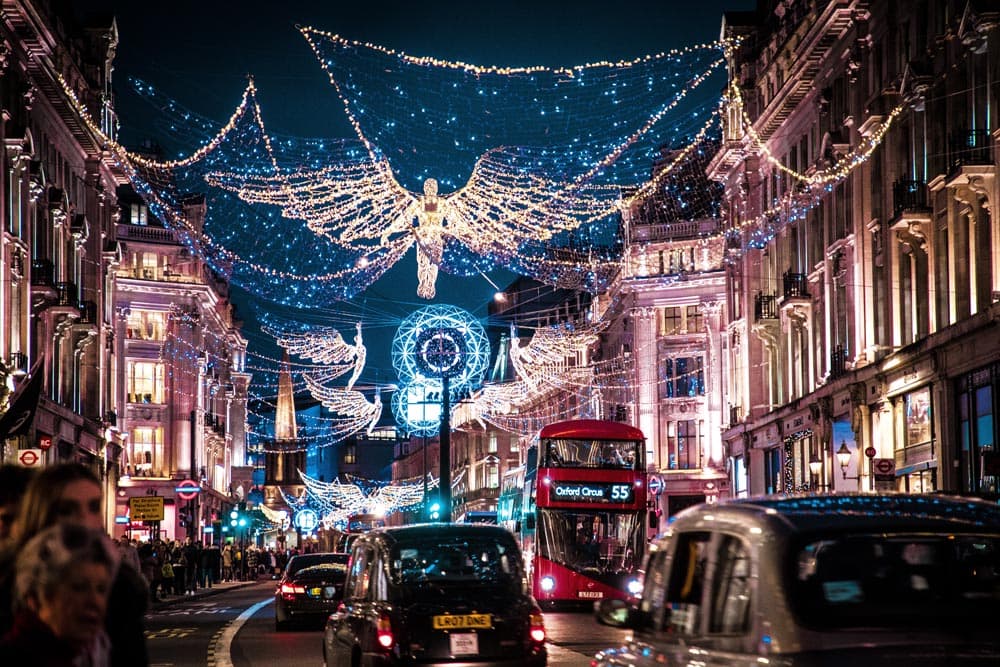
December turns London genuinely festive, and it is one of the few times we will happily brave the crowds. We make a point of walking the lights from Oxford Street through to Carnaby Street and Covent Garden, and a loop through Winter Wonderland in Hyde Park has become a team tradition. Indoor attractions like Warner Bros. Studio Tour and Shrek's Adventure are easy wins when the afternoon turns dark and cold.
January and February are a completely different London: quiet, cheap, and ours for the taking. The weather is cold and the daylight is short, but we have walked into normally packed museums without a queue and found hotel rates a fraction of their summer level. If you do not mind layering up, this is the calmest, most affordable window we know.
Weather: Cold, 3°C to 8°C
What to see: Harry Potter Studios, Shrek's Adventure London, British Museum, The London Bridge Experience"
Month-by-Month Guide
Best Time to Visit London Based on Your Travel Preferences
FAQ
The best time to visit London is May to September, when daytime highs sit between 15°C and 25°C, daylight stretches to 15 to 16 hours, and every headline outdoor event is in full swing. These include the Chelsea Flower Show (May), Trooping the Colour (June), Wimbledon and Pride in London (July), Notting Hill Carnival (August bank holiday), and the Last Night of the Proms (September). For the best trade-off between pleasant weather and manageable crowds, target late May, early June, or mid-to-late September. If you want lower prices and quieter attractions, January and February are the cheapest months. Avoid the last two weeks of August and the days around Christmas if you prefer a calmer pace.
January and February are the cheapest months to visit London. Four-star central hotel rates can drop by 30 to 50% from their summer peak, flights to the UK are at their lowest, and attractions run post-holiday offers. Most world-class museums, including the British Museum, National Gallery, Tate Modern, V&A, and Natural History Museum, are free year-round, so daytime budgets stay low. The trade-offs are cold weather (3°C to 8°C), frequent grey skies, and short daylight (around 8 hours). Pack thermal layers, a waterproof coat, and a compact umbrella. The first two weeks of November are almost as quiet and slightly warmer. Mid-to-late January is the single cheapest window of the year.
May and September are widely considered the best months to visit London. May offers daytime highs of 9°C to 18°C, blooming Hyde Park and Kensington Gardens, the RHS Chelsea Flower Show, and comfortable pre-summer crowds. September delivers 15°C to 20°C highs and packs the Last Night of the BBC Proms, London Design Festival, Open House Festival, and London Fashion Week SS27 into a single month, with crowds dropping sharply once UK schools return on 2 September. Both months avoid the July and August peak hotel rates and still deliver long daylight hours. Early May is the quietest (bank holiday weekends aside), while late September is the best value.
London is least crowded from mid-November to early March, with the second half of January and the first half of February the absolute quietest. During this window, overseas tourist numbers fall by roughly half compared with peak summer, queues at the Tower of London, Westminster Abbey, and the London Eye are at their shortest, and you can typically walk into free museums like the British Museum, National Gallery, V&A, and Tate Modern without pre-booking. Expect cold weather (3°C to 8°C), regular rain, and short days (sunset around 16:00). December itself is an exception. Christmas markets, Winter Wonderland in Hyde Park, and New Year's Eve fireworks drive big short-stay crowds, especially 20 December to 2 January.
Both are excellent, so choose based on what you want from the trip. Spring (April to May) brings blooming parks and gardens, daytime highs of 5°C to 18°C, daffodils and cherry blossom in Kensington Gardens and Regent's Park, longer daylight (up to 15 hours by late May), and the Chelsea Flower Show. Autumn (September to October) offers fewer crowds, daytime highs of 9°C to 20°C, golden foliage in Richmond Park and Hampstead Heath, and an unmatched cultural calendar (Open House Festival, London Design Festival, London Fashion Week SS27, Frieze London, BFI London Film Festival). As a rule: spring for outdoor sightseeing and gardens, autumn for museums, culture, food, and better value on hotels.
The best time to visit London with kids is during UK school holidays in April (Easter break, usually 10 days from late March to mid-April), late May half-term, and the long summer holidays (roughly 22 July to 31 August). Warner Bros. Studio Tour London: The Making of Harry Potter, ZSL London Zoo, SEA LIFE London Aquarium, Madame Tussauds, Shrek's Adventure, and the London Eye all run special seasonal programmes during these periods. Summer delivers long daylight and outdoor options like lidos (Tooting Bec, Parliament Hill), Kew Gardens' Treetop Walkway, and Thames river cruises, but crowds peak and hotel rates are highest. For a quieter family trip with shorter queues, visit in October half-term or the first week of September (after UK schools return but while the weather still holds). Book family attractions 4 or more weeks ahead for any school-holiday visit, as top slots sell out.
For first-time visitors, 4 to 5 days is ideal: one day for Tower of London, Tower Bridge and St Paul's; one for Westminster (Houses of Parliament, Westminster Abbey, Buckingham Palace, the London Eye); one for the British Museum plus Covent Garden and the South Bank; one for a day trip (Windsor Castle, Hampton Court Palace or Warner Bros. Studio Tour); and one flexible day for museums (V&A, Natural History Museum, Science Museum) or Camden and Regent's Park. A week or more is better if you want West End shows, a Premier League match, Kew Gardens or Greenwich, additional day trips (Oxford, Stonehenge, Bath), and a slower pace. For a weekend break, prioritise Tower of London, Tower Bridge, Westminster, and the South Bank. That is a full 48 hours on its own.
London has a mild temperate climate with four distinct seasons. Winter (December to February) averages 3°C to 8°C, often grey with occasional frost and rare snow, and daylight of just 8 hours. Spring (March to May) warms from 4°C in early March to 18°C by late May, with frequent short showers and blooming parks. Summer (June to August) averages 13°C to 24°C with occasional heat spikes above 30°C, 15 to 16 hours of daylight, and the driest months of the year. Autumn (September to November) cools from 20°C in early September to 6°C by late November, bringing golden foliage and comfortable sightseeing. Rainfall is spread evenly year-round (around 600mm total), typically in short showers rather than all-day rain, so pack a compact umbrella or lightweight waterproof any month of the year.
Yes, December is one of the most atmospheric months to visit London. Christmas lights switch on across Oxford Street, Regent Street, Carnaby Street, and Covent Garden from mid-November. Hyde Park Winter Wonderland runs from late November to early January (free entry, paid rides). Christmas markets spring up at Southbank Centre and Leicester Square, and the Trafalgar Square tree-lighting is a highlight in early December. Ice-skating rinks open at Somerset House, the Natural History Museum, and Tower of London. New Year's Eve fireworks on the Thames (ticketed) are the headline event. The flip side: daytime highs of 3°C to 8°C, frequent rain, 8 hours of daylight, and peak hotel rates from 20 December to 2 January. Book accommodation, attraction tickets, and NYE fireworks passes 6 or more weeks ahead for any stay 18 December to 1 January.
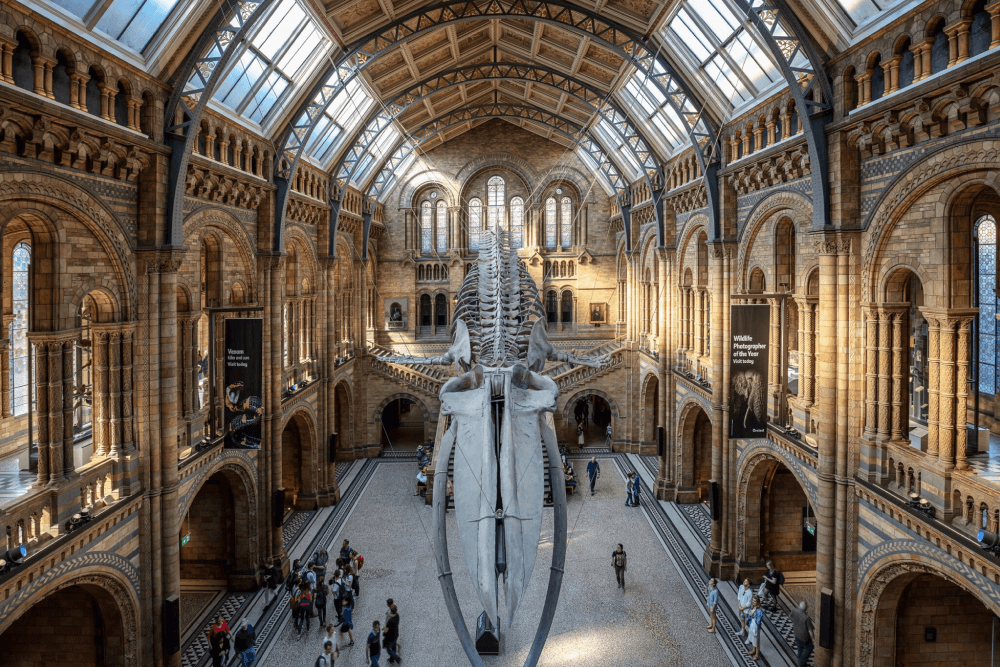
The best time to visit London museums is January to March, when tourist numbers are at their annual low and you can explore world-class institutions at your own pace. The British Museum, National Gallery, Tate Modern, Tate Britain, V&A, Natural History Museum, Science Museum, Imperial War Museum, National Portrait Gallery, and Wallace Collection all offer free general admission year-round, so a quiet day means short security queues, uncluttered galleries, and easier bookings for paid special exhibitions. Weekday mornings (9:30 to 11:30) are quietest. Avoid the last week of December and the first week of January (Christmas break crowds), Easter weekend, and the first weeks of October half-term. November is almost as good as January and February, with a few more daylight hours for post-museum sightseeing.
About the author: The London Tickets Team We're a London-based team who book, visit, and re-check the city's attractions for a living. Between us we've logged hundreds of days on the ground, queuing at the actual Tube exits, eating in the markets, timing the sunset on the South Bank, so the recommendations here come from repeat visits rather than press releases. Every price, opening time, and "best for" call in this guide was verified in 2026, and we update it whenever something closes, moves, or starts charging. Spotted something out of date? Tell us and we'll fix it.