London Travel Guide 2026: Everything You Need to Know Before You Go
We are a London based team and this is the guide we would hand a friend flying in next week. Instead of recycling press releases, we book, visit and re check the city attractions for a living, so the calls here come from real days on the ground. We will show you the Tube exit that saves twenty minutes, the free viewpoint that beats the paid one, and the slot that sells out before most people think to look. Use this as your starting point, then dive into our deeper guides on when to go, what to do and where to base yourself. Every price, opening time and 'best for' call below was verified in 2026.
Why Visit London in 2026
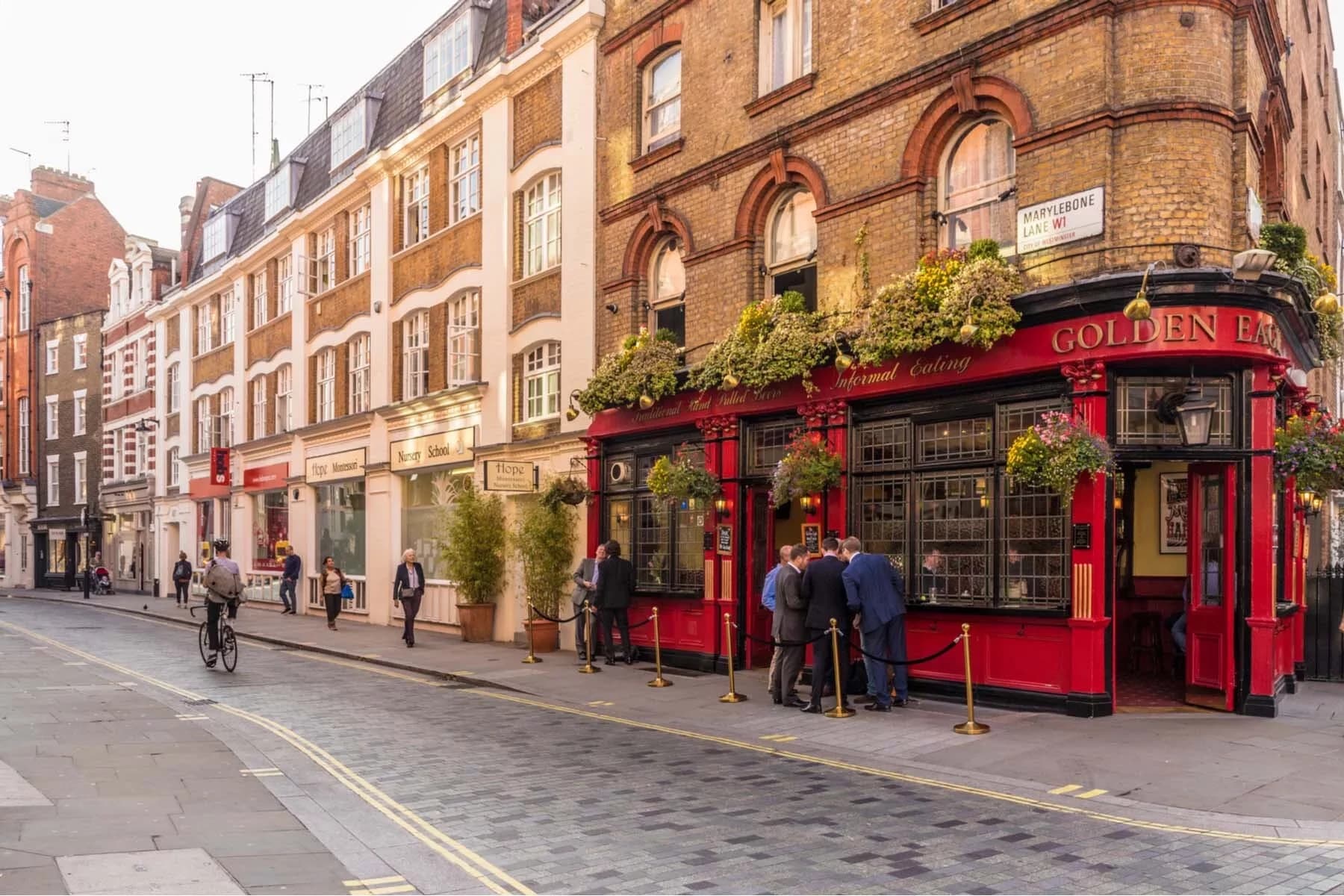
London rewards a return visit more than almost any city we know, as you can spend a week and still leave with a list of things to see. In one day you can stand where kings were crowned, walk into a world-class museum for free, eat Sichuan, Sri Lankan and Sicilian within three streets, watch a West End show that rivals Broadway, and finish in a 300-year-old pub.
The thing first-timers underestimate is how compact the centre is: we routinely cross from Soho to the South Bank on foot in twenty minutes, faster than waiting for a train. What changed for 2026: the reopened London Museum at Smithfield, the new Horizon 22 free viewing deck (now the City's tallest free view), an expanded Frameless, and the Elizabeth line stitching the east closer to the centre. The constants that still make it cheap to get around: the contactless 8.50 GBP daily cap in Zones 1-2 and free national museums.
London Travel Essentials at a Glance
Best Time to Visit London
There is no single best time because it depends on whether you are optimising for weather, price or crowds. For the best trade-off between pleasant weather and manageable crowds, target late May, early June or mid to late September. January and February are the cheapest and quietest, and because most museums are free year-round, a winter trip still works on a budget. December is magical but pricey and busy.
After re-checking it across many trips, our one-line rule: spring for gardens and outdoor sightseeing, autumn for culture, food and better hotel value.
The Best Things to Do in London
London's Best Neighbourhoods to Explore
Getting Around London
How Many Days You Need + Sample Itineraries
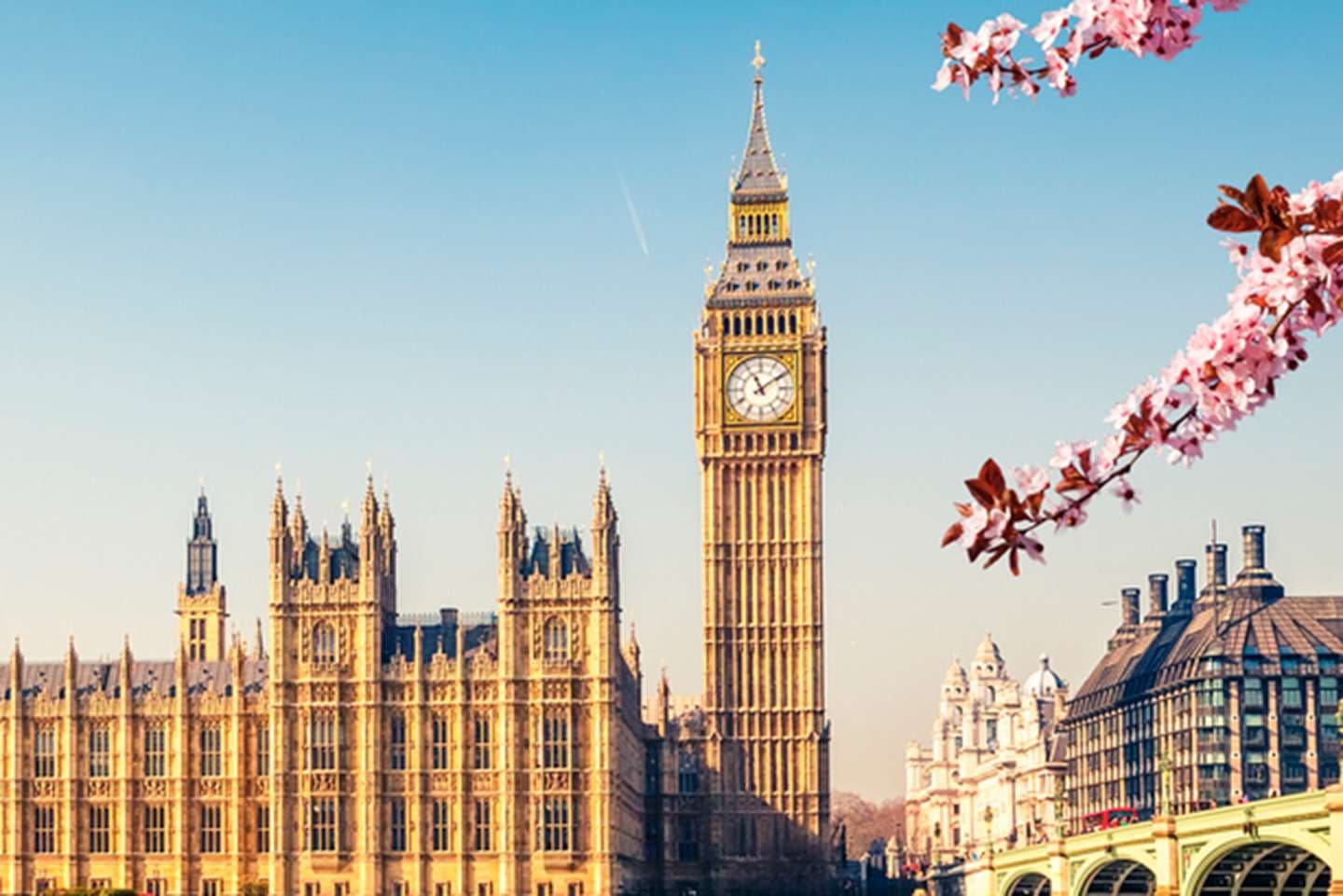
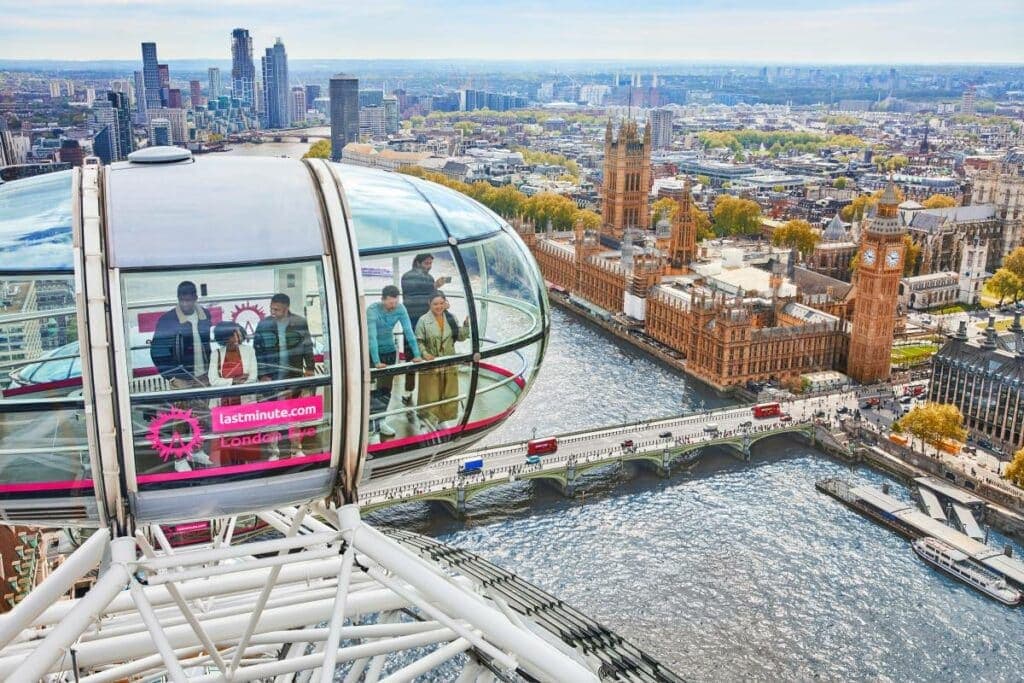
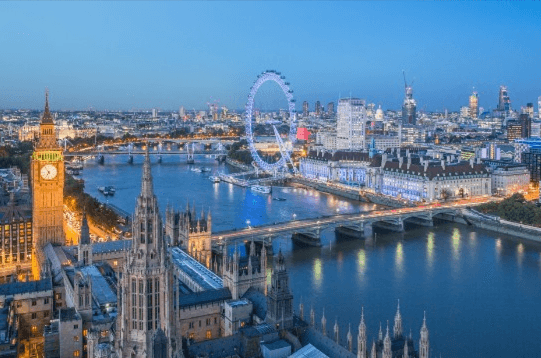
Westminster (09:00) for Big Ben and the Abbey → Whitehall to Trafalgar Square and an hour in the National Gallery → lunch in Covent Garden → cross to the South Bank for the London Eye and Tate Modern → dinner and a West End show in Soho. One day, barely a Tube ride.
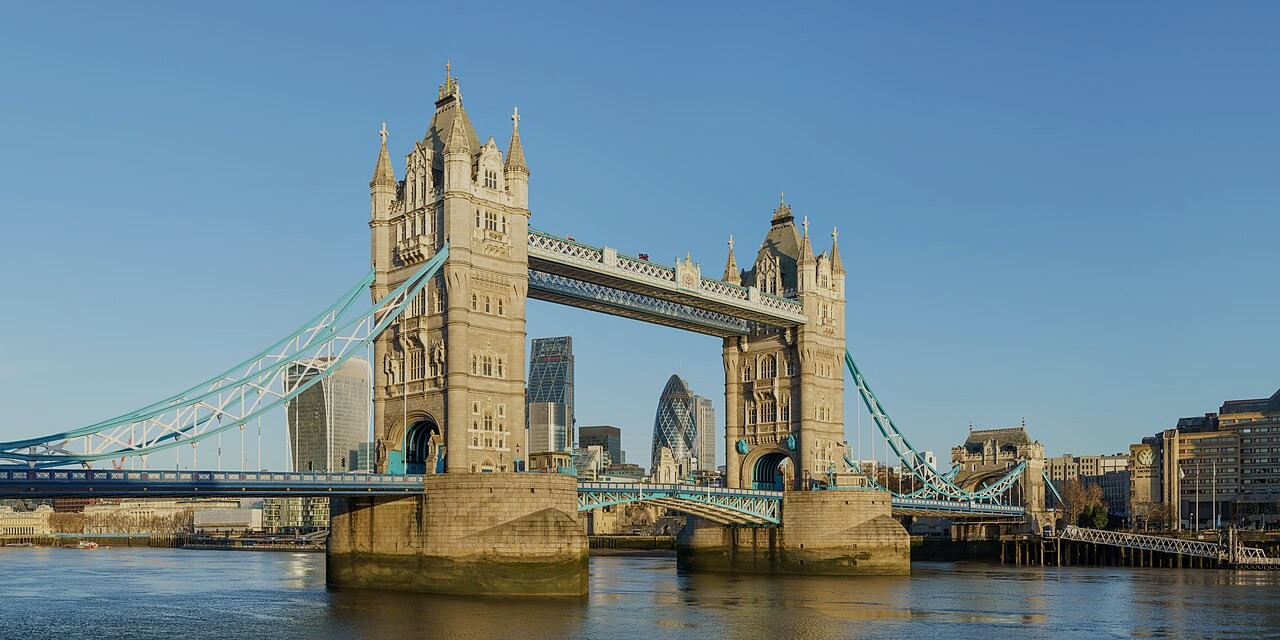
Day 1 as above. Day 2: Tower of London at opening → cross Tower Bridge → walk west along the South Bank past the Shard, Borough Market, Tate Modern and the Globe → Thames Clipper to Greenwich, or Columbia Road Flower Market on a Sunday morning.
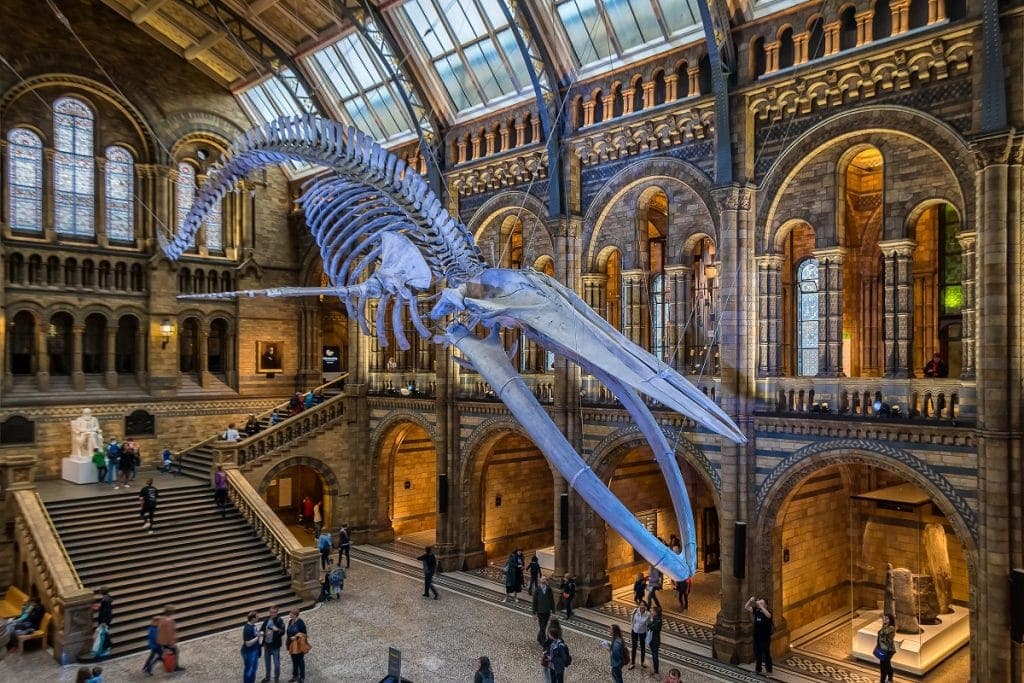
Days 1-2 as above. Day 3 splits east and west: a Shoreditch street-art morning and Brick Lane bagels, then a Tube west to South Kensington for the V&A, a walk through Kensington Gardens, and Portobello Road plus a sunset drink in Notting Hill.
Where to Stay in London
Where you base yourself matters more than the star rating. The mistake we see most often is booking a cheaper room well out east or south to save money on a short trip, then losing the best part of an hour each way on the Tube. On a three or four night stay, paying a little more to be central almost always buys back more time than it costs.
By area: Soho, Covent Garden or the South Bank for first-timers; Kensington for families (museums plus Hyde Park); Shoreditch or Kings Cross for younger travellers.
By budget: budget rooms from about £75–115 a night (Travelodge Central Waterloo, Notting Hill Gate Hotel); mid-range £140–300 (Hyatt Place London City East, Holiday Inn Bloomsbury); luxury from about £500 (JW Marriott Grosvenor House, Charlotte Street Hotel, Bulgari); hostels from £25–40 a bed for solo travellers.
What and Where to Eat in London
London is one of the world's great food cities, far more than the old jokes suggest. Must try British classics include a full English breakfast, bangers and mash, a Sunday roast, fish and chips, and afternoon tea. For markets, go to Borough on a weekday late morning rather than a Saturday, when the queues for Padella and Bread Ahead double. Visit Maltby Street for craft producers, and Brick Lane and Spitalfields for diversity. For the classic afternoon tea, the Ritz genuinely sells out so book six to eight weeks ahead. Most other grand hotels will find you a midweek table with a fortnight's notice.
How to Save Money in London
Three big levers cut a London budget more than anything else.
First, the free national museums mean you can fill several days without paying a penny for admission. Second, the contactless £8.50 daily cap for transport (tap the same card or phone all day). Third, book tickets online at least 24 hours ahead: on-the-door prices typically run 20–30% higher, and the cheapest slots are usually the first and last of the day. A London Pass or Merlin combo only pays back if you're genuinely doing three or more paid sights in a day and for a relaxed trip the free museums often beat any pass. For same-day West End theatre, queue at the official TKTS booth in Leicester Square (mind the lookalike booths around the square).
Best Day Trips from London
When you've done the core city, the easiest day trips by train get you to a castle, a Roman bath or a university town and back in a day.
Windsor (32 min from Paddington for the castle and Eton), Oxford (60 min for the colleges), Cambridge (50 min from Kings Cross for the Backs), Bath (90 min for the Roman Baths) and Brighton (60 min from Victoria for the pier), plus Stonehenge and the Cotswolds by tour. All can be done as a full day with a morning departure and an evening return.
Know Before You Go
Six airports serve London: Heathrow (LHR, west - Elizabeth line/Piccadilly line/Heathrow Express), Gatwick (LGW, south - Gatwick Express/Thameslink), Stansted (STN), Luton (LTN), City (LCY, closest to Canary Wharf via DLR) and Southend (SEN). Pre-book airport transfers or use the train rather than a taxi for the best value from Heathrow and Gatwick.
Visa: check the UK ETA/visa requirements for your nationality before booking.
Money: card and contactless are accepted almost everywhere; carry a little cash for small markets.
Connectivity: free Wi-Fi is widespread; EU roaming no longer applies post-Brexit, so check your plan or buy a UK eSIM.
Health: dial 111 for non-urgent care, 999 for emergencies.
Safety: London is safe for tourists day and night and standard city precautions apply; watch belongings on crowded Tube trains and at busy markets like Camden and Portobello, the main pickpocket risk we ever flag.
Remember traffic drives on the left.
Pack layers and a compact umbrella or light waterproof in any season as rain comes in short showers year round. Comfortable walking shoes matter more than anything else. Useful apps to download include Citymapper, which is the best London transport app, the official TfL Go app, a contactless wallet on your phone, and our own app's available today filter for last minute bookable experiences.
Frequently Asked Questions
Yes. Few cities pack this much history, world-class (and often free) culture, food and theatre into a centre small enough to walk. It rewards both a first weekend and a fifth return trip.
3-5 days for a first visit covers every headline sight and a neighbourhood or two; a week adds day trips, more museums and a slower pace.
Late May to June and September give the best balance of weather and manageable crowds. January-February are cheapest and quietest. See our full Best Time to Visit guide.
Public transport with a contactless card or phone. Tap all day and fares cap at 8.50 GBP in Zones 1-2. The centre is also very walkable.
It can be, but free national museums, the daily transport cap and booking tickets ahead keep costs down. January and February are the cheapest months to visit.
The Tower of London, the British Museum, a Westminster walk past Big Ben and the Abbey, a viewpoint (London Eye, Sky Garden or the Shard), Borough Market and one West End show.
Soho, Covent Garden or the South Bank - everything central is walkable from these three. Families do well in Kensington.
For the paid icons such as the Tower, the London Eye, the Shard and the Warner Bros. Studio Tour, booking ahead is strongly recommended as the best slots sell out weeks ahead. Free museums accept walk-ins.
About the author: The London Tickets Team We're a London-based team who book, visit, and re-check the city's attractions for a living. Between us we've logged hundreds of days on the ground, queuing at the actual Tube exits, eating in the markets, timing the sunset on the South Bank, so the recommendations here come from repeat visits rather than press releases. Every price, opening time, and "best for" call in this guide was verified in 2026, and we update it whenever something closes, moves, or starts charging. Spotted something out of date? Tell us and we'll fix it.