Cabinet War Rooms
Visit the Cabinet War Rooms in London
Step back in time and uncover one of London’s most significant wartime sites—the Cabinet War Rooms in London. Hidden beneath the bustling streets of Westminster, the underground Cabinet War Rooms served as the nerve center for Winston Churchill and his government during World War II. These historic rooms, left as they were in 1945, provide a unique and immersive experience into Britain’s wartime past.
Constructed in 1938 and fully operational from August 27, 1939, the WW2 Cabinet War Rooms played a vital role in Britain’s defense strategy. Here, Churchill and his ministers made critical wartime decisions, surrounded by maps, intelligence reports, and communication lines.
Book Cabinet War Rooms Tickets
Planning to visit this historic wartime site? Avoid the queues and guarantee your entry by booking Cabinet War Rooms tickets online in advance.

Highlights

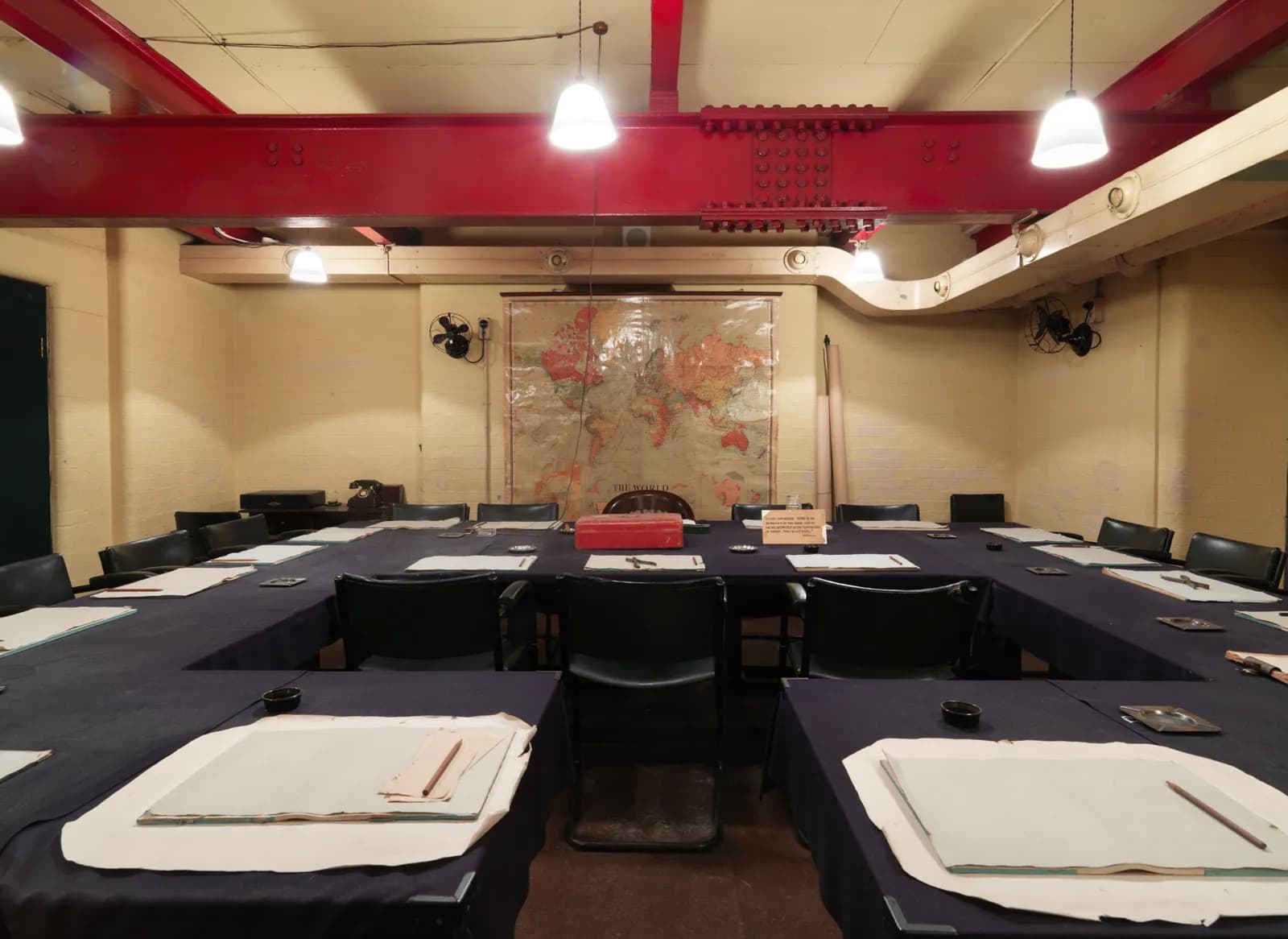
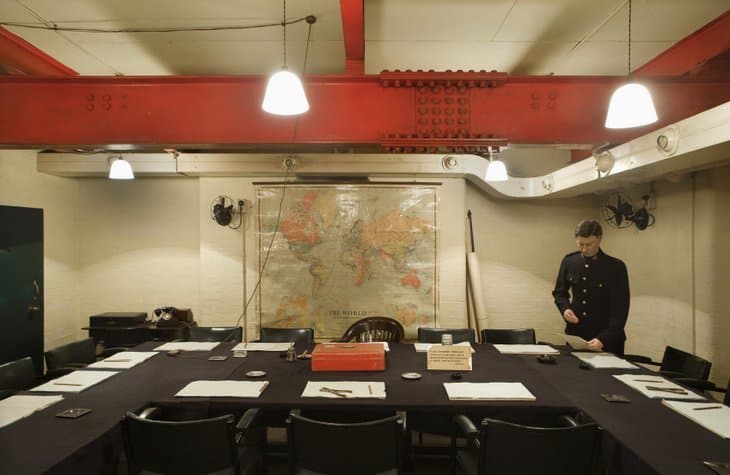
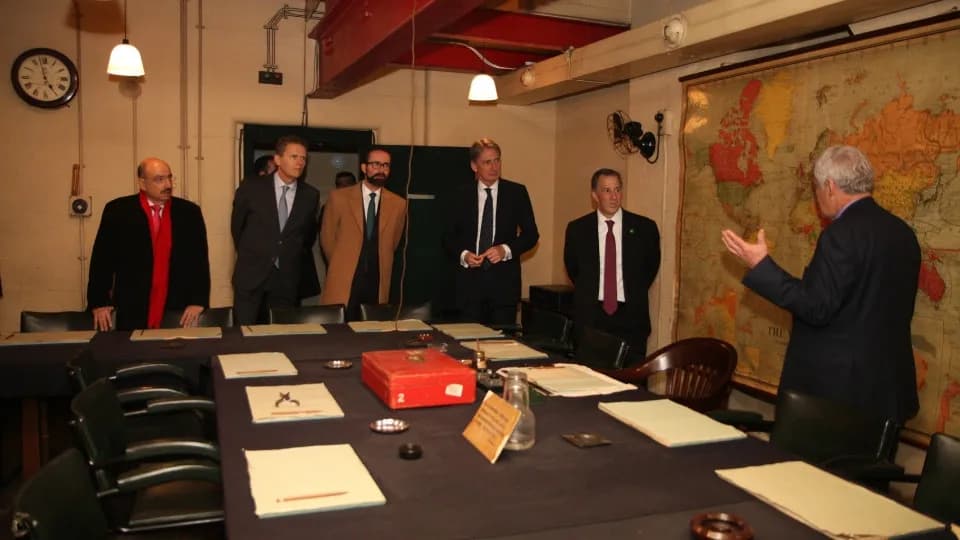
War Cabinet Room
Step into the War Cabinet Room where Churchill declared, "This is the room from which I will direct the war." Stand just inches away from where history was made. It is where Churchill and his ministers held critical wartime meetings, shaping the course of the Second World War.

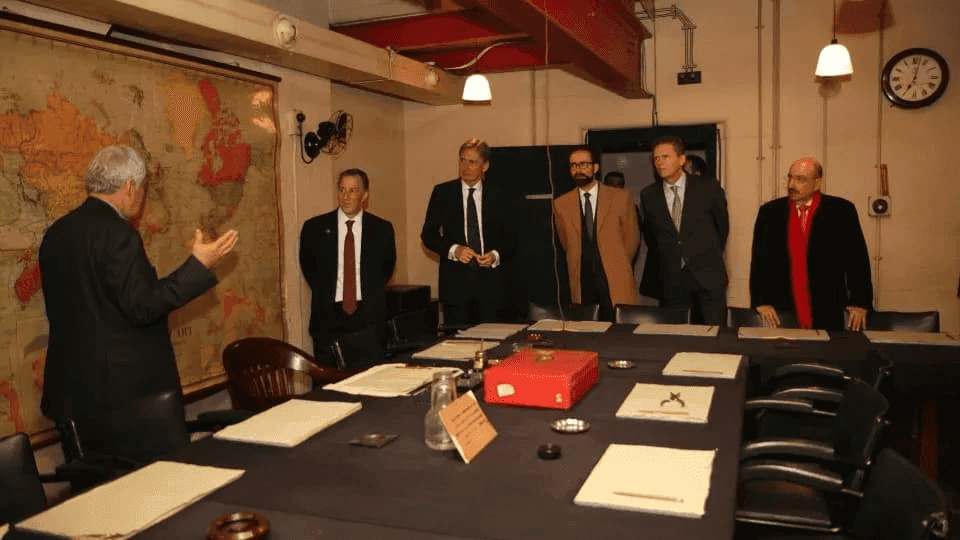
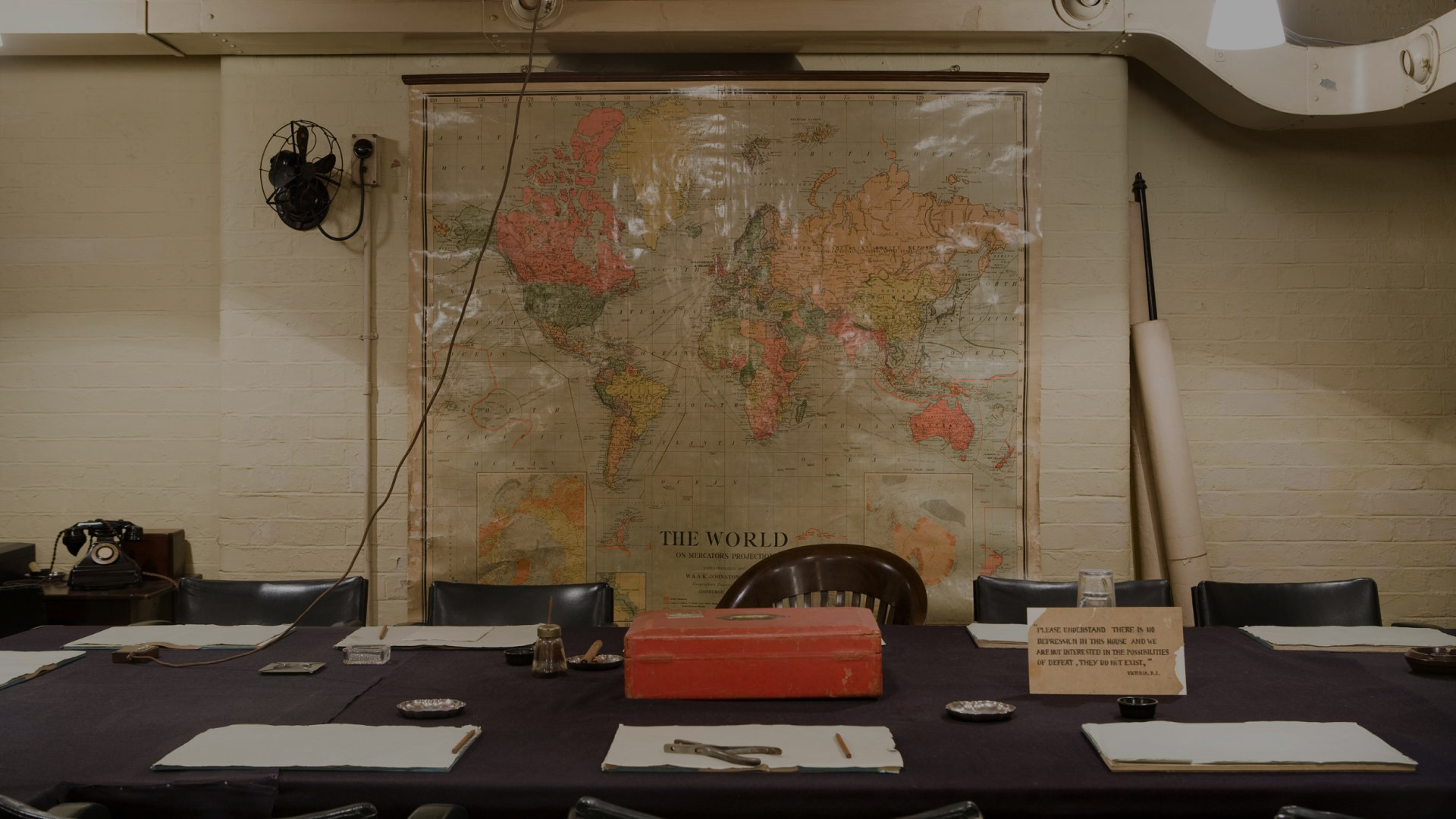
Map Room
The Map Room was the strategic nerve center of the Cabinet War Rooms. This top-secret space was where Churchill and his advisors planned crucial military operations. Churchill spent the entirety of D-Day here, surrounded by maps detailing troop movements and battle plans.

Churchill’s Rooms
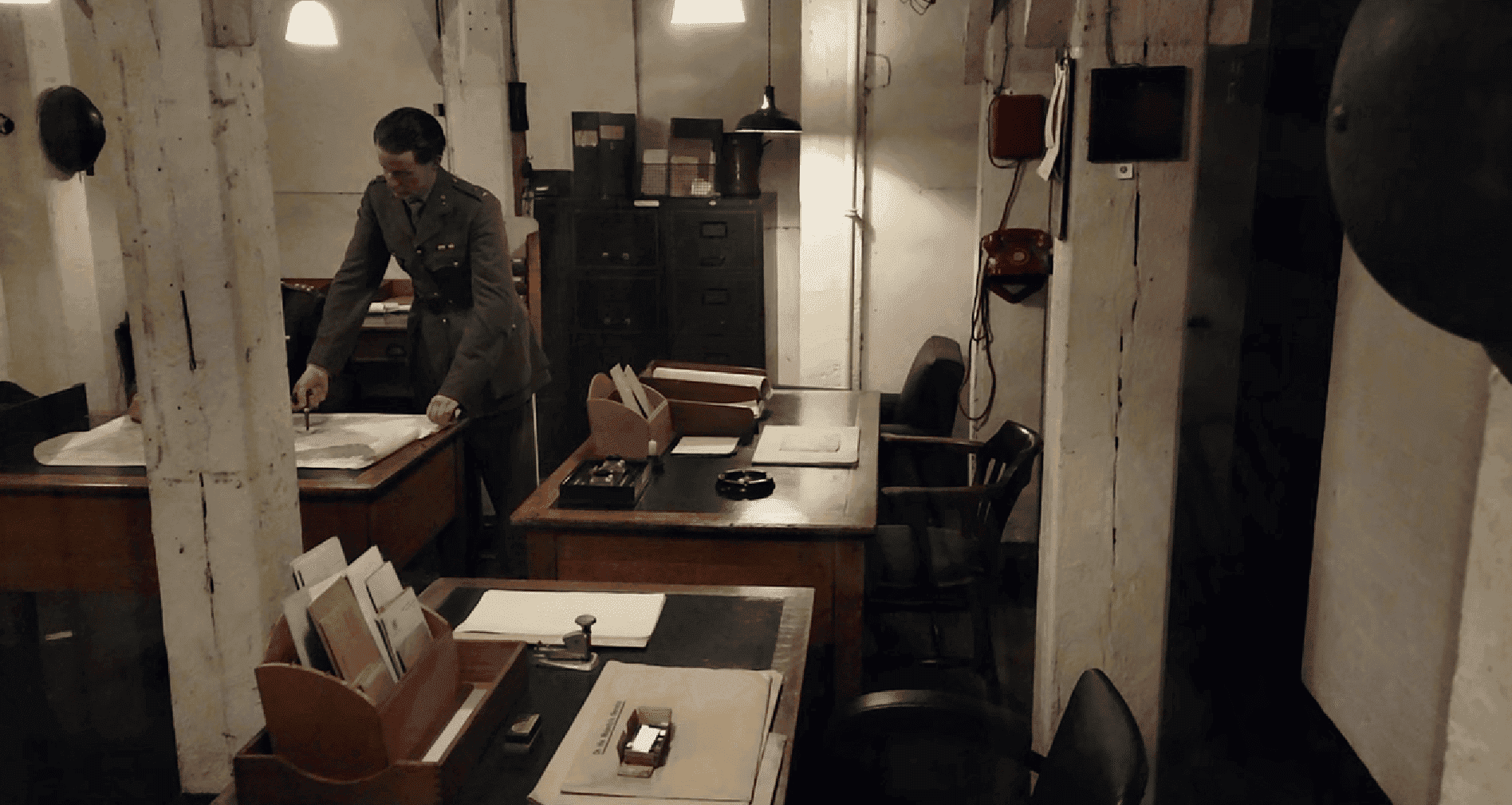
Discover the personal side of Britain’s wartime leader by exploring Churchill’s private rooms. These included a bedrooms and kitchen for Churchill’s family and his close staff, including his cook, military advisor, and bodyguard.

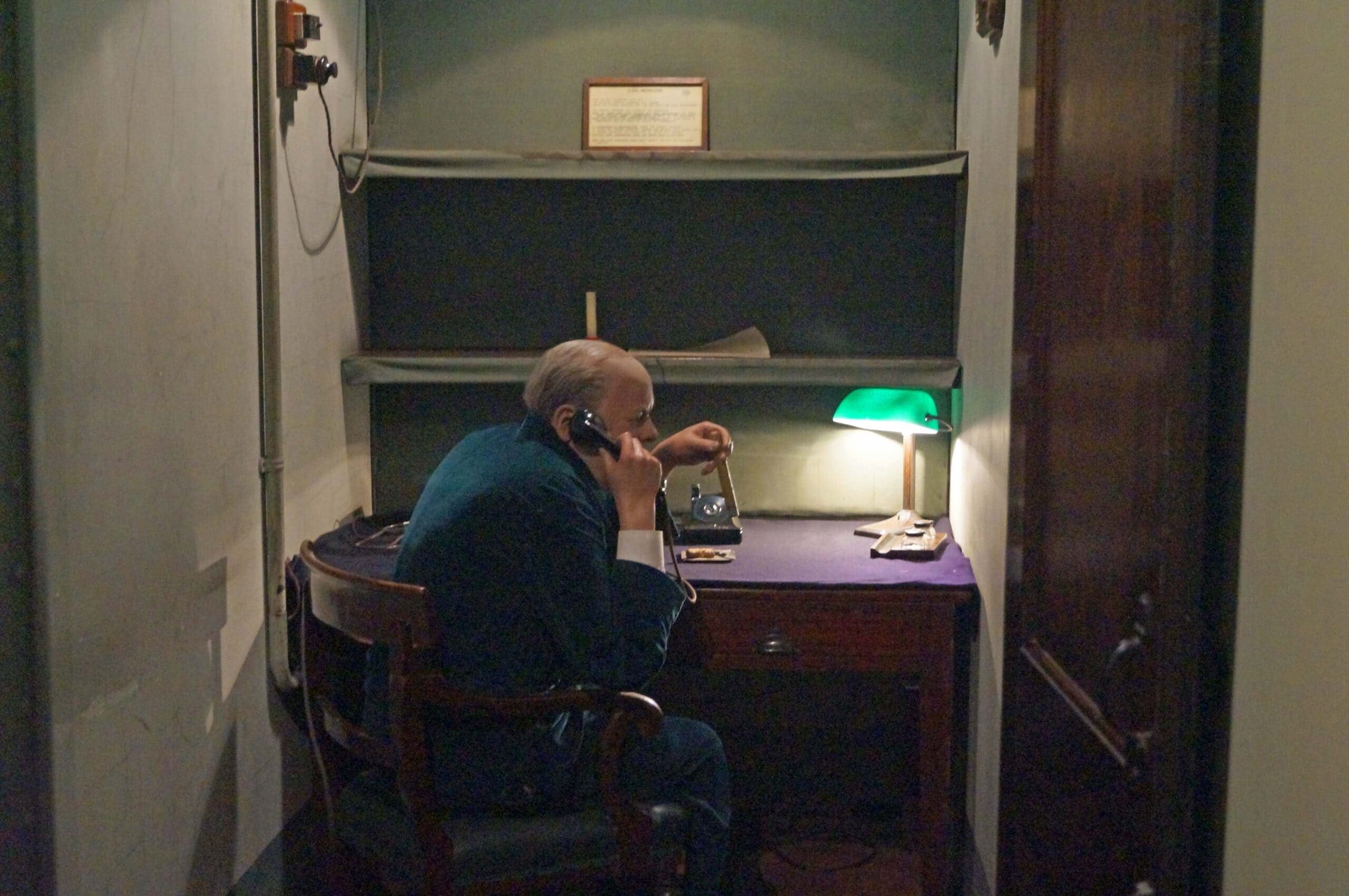
Transatlantic Telephone Room
A hidden gem of the War Rooms, the Transatlantic Telephone Room was disguised as a private toilet. Here, Churchill spoke in secret with the President of the United States, using cutting-edge technology of the time. This was one of the most secure lines of communication between the Allied leaders during the war.

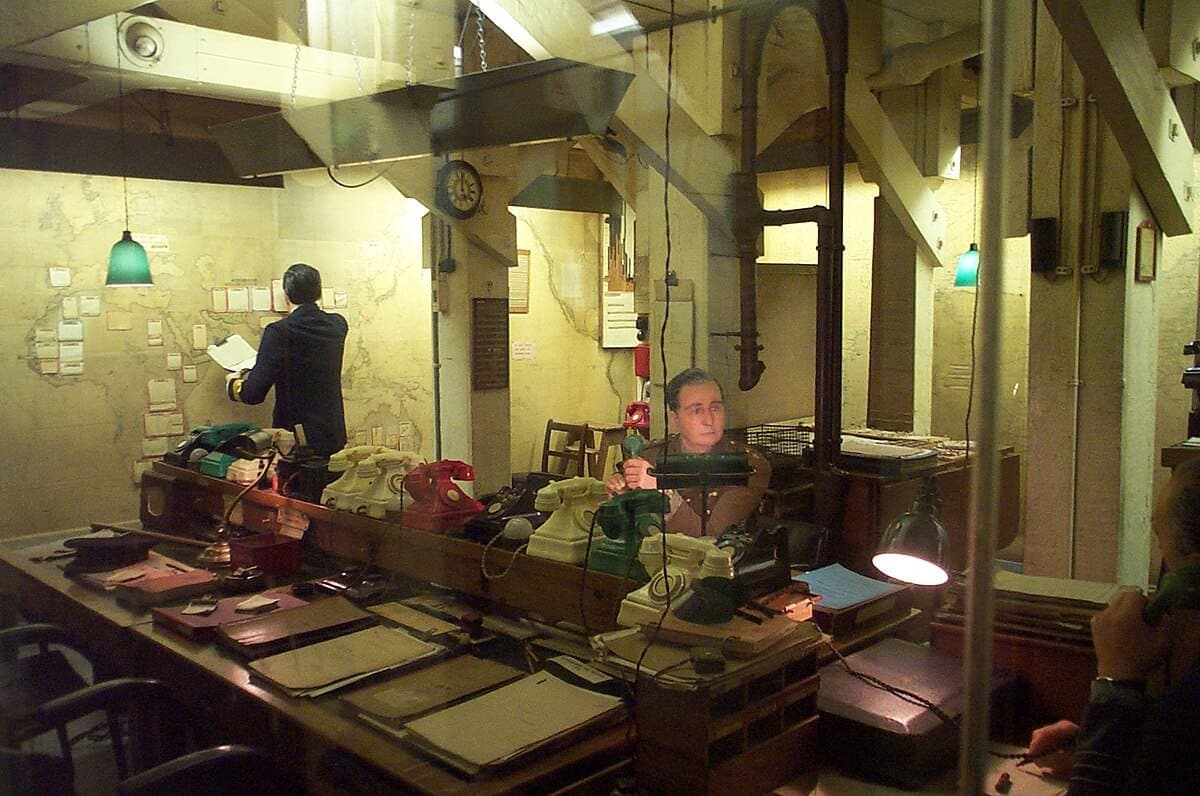
Switchboard Room
The Switchboard Room and BBC Broadcasting Room kept the War Rooms connected to the outside world. This essential communications hub allowed messages to flow between government offices, military leaders, and the British public.

Travel Back to 1940
Step into history at the Cabinet War Rooms as you explore the restored bedrooms of Churchill’s top advisors, preserved exactly as they were in wartime. Experience what daily life was like underground in one of the most significant locations of World War II.
Other Exhibitions and Displays at the Churchill War Rooms
FAQ
A visit to the Cabinet War Rooms and Churchill Museum typically takes around 2 to 2.5 hours, depending on your pace and interest in the exhibits. Visitors who enjoy detailed historical insights may spend longer exploring.
The entrance fee for the Cabinet War Rooms is included in the ticket price for the Churchill War Rooms. Standard adult tickets cost £33, while children aged 5-15 can enter for £16.50. Children under 5 and members of the Imperial War Museums enjoy free admission.
The best time to visit the Cabinet War Rooms is early in the morning or late in the afternoon on weekdays to avoid peak crowds. Weekends and school holidays tend to be busier. Booking tickets online in advance ensures a smoother experience.
The Cabinet War Rooms are located in Westminster, London, beneath Whitehall. The entrance is at Clive Steps, King Charles Street, London SW1A 2AQ, within walking distance of key landmarks like Big Ben and Buckingham Palace.
After being used as a top-secret wartime bunker during World War II, the Cabinet War Rooms were preserved and later opened to the public in 1984 as part of the Imperial War Museums. Today, they remain in their original wartime state, allowing visitors to experience the historic underground complex as it was during Churchill’s leadership.
The nearest London Underground station to the Cabinet War Rooms is Westminster Station, served by the Circle, District, and Jubilee lines. St. James’s Park Station (District and Circle lines) is also a short walk away.