
Top 10 London Neighbourhoods: The Best Areas to Visit
London is not one city but dozens of distinct districts, each with its own character, food scene, architecture and pace. Knowing which neighbourhood to head for is the difference between a generic tourist day and a memorable one.
We've spent years doing the unglamorous part for you: working out which Tube exit actually saves you twenty minutes, which "must-eat" spot has a queue that isn't worth it, and which free view beats the one everyone pays for. This guide ranks the ten most rewarding areas to visit, from theatre-soaked Soho and Olympic-modern Stratford to riverside Richmond, with the top attractions, where to eat, how to get there and which neighbourhood best fits your travel style.
We weighted each area on how much there is to do per square mile, how distinct it feels from the rest of London, and how easy it is to build a satisfying half- or full-day around it, then checked every detail on the ground in 2026.
London at a Glance: Central, West, East, South & North
The 10 Best London Neighbourhoods to Visit
1. Soho - Theatre, Food & Late-Night London
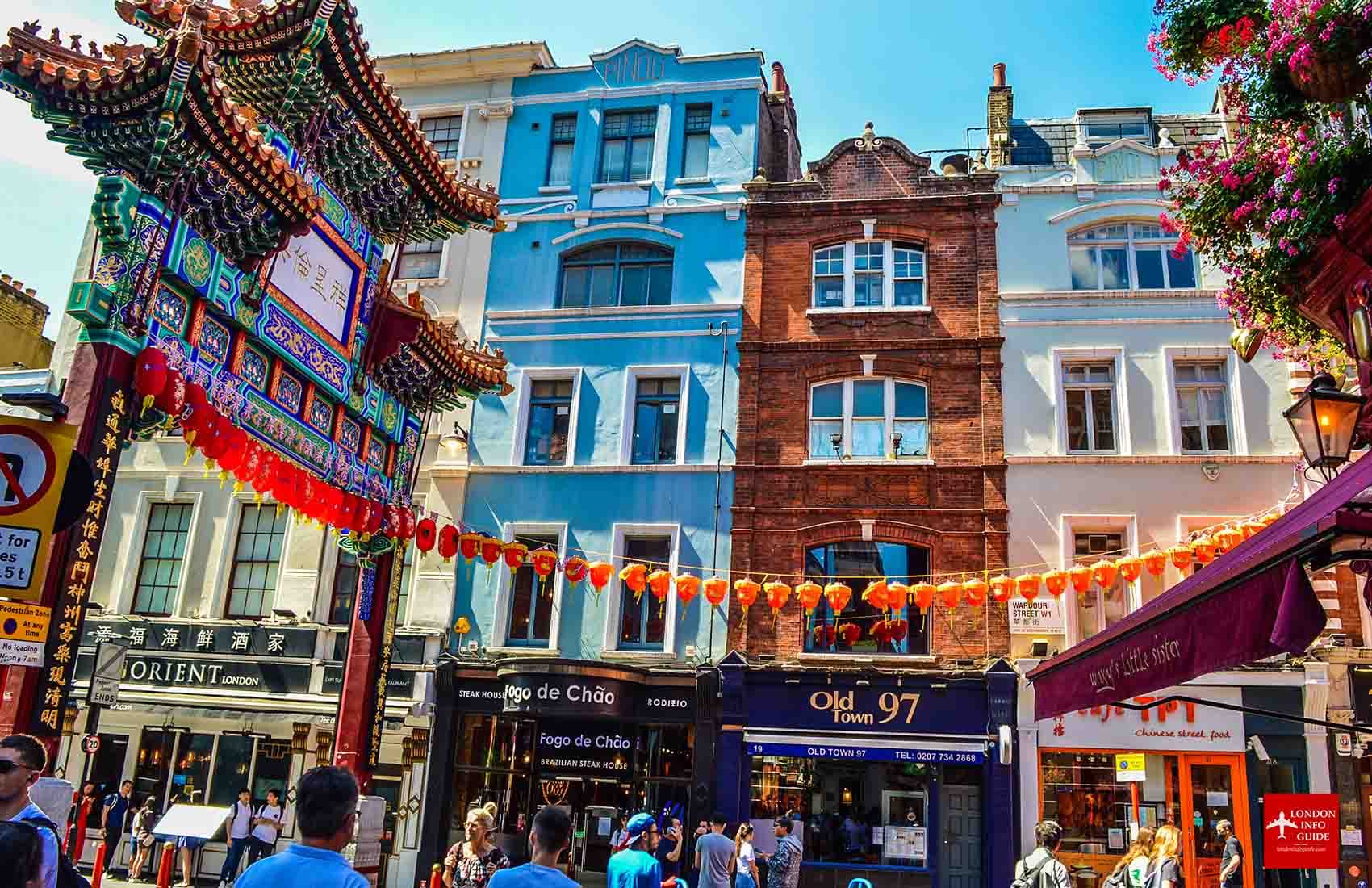
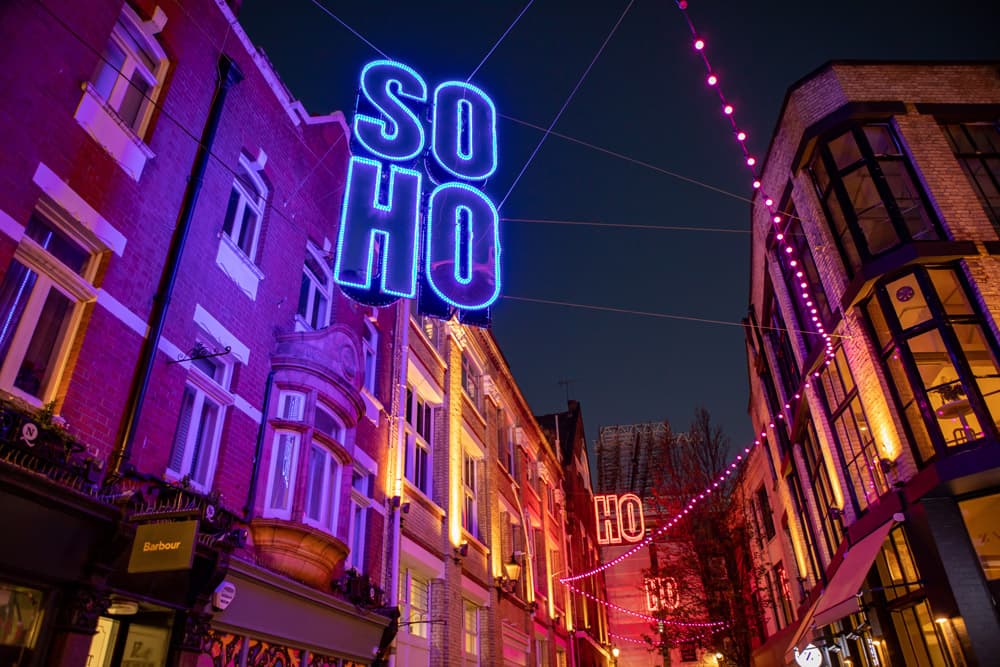
Soho is central London distilled to one square mile. Bounded by Oxford Street, Regent Street, Shaftesbury Avenue and Charing Cross Road, it has been London's bohemian heart for three centuries, first for artists and writers, and now for restaurants, independent cinemas, jazz clubs and the city's most concentrated cluster of LGBTQ+ bars. The West End theatres line its southern edge, Chinatown sits at its centre, and Carnaby Street keeps the 1960s pop culture legacy alive with independent fashion. Soho is also the easiest neighbourhood to combine multiple experiences in a single evening, as dinner, a show, a hidden cocktail bar and a late night supper club are all within walking distance. The running order we use ourselves is to arrive late afternoon, eat in Chinatown before the 18:30 rush, catch a 19:30 show, and finish at one of the rooftop tables in Kingly Court. We recommend booking the bar ahead, because the walk in queue once the theatres empty is the one thing that reliably catches visitors out.
Top Things to Do in Soho
Catch a West End musical at one of the historic Shaftesbury Avenue theatres. Eat your way through Chinatown's Gerrard Street. Browse independent shops on Carnaby Street and Newburgh Street. Find a hidden cocktail bar such as Swift, Bar Termini or Lab. Sit on a deckchair in Soho Square at sundown. Wander the side streets for the city's best vintage record shops and pizza.
Soho: Best for / Get there / When to visit
Best for: food, theatre, nightlife, solo travellers, couples.
Tube: Leicester Square, Tottenham Court Road or Piccadilly Circus, all under a five-minute walk.
When to visit: late afternoon into late night. Avoid Saturday lunchtime on Oxford Street if crowds bother you.
2. Covent Garden - Markets, Street Performers & Theatre
Covent Garden is the most photographable neighbourhood in central London. The cobbled piazza at its centre, once a 17th century fruit and vegetable market, is now a pedestrianised stage for opera buskers, magicians and silent disco crowds. The Apple Market under the wrought iron canopy still trades antiques and crafts, while Seven Dials radiates seven streets of independent boutiques. The Royal Opera House, the London Transport Museum, the Royal Ballet and a dozen West End theatres all sit within five minutes' walk, making Covent Garden the natural pairing for a Soho dinner and an evening show. It is also one of the few neighbourhoods that feels equally good for families during the day and couples after dark.
Top Things to Do in Covent Garden
Watch the street performers in the piazza (best 14:00 onwards). Take the Royal Opera House backstage tour or book a same-day matinee. Visit the London Transport Museum for the vintage Tube carriages. Browse Seven Dials, especially Neal's Yard for tiny independent shops. Have afternoon tea at The Ivy Market Grill or Sketch nearby.
Covent Garden: Best for / Get there / When to visit
Best for: first-time visitors, families, couples, theatre-goers.
Tube: Covent Garden (use Leicester Square at peak hours to avoid the long lift queue).
When to visit: 10:00–22:00; piazza buskers peak from mid-afternoon to early evening.
3. South Bank - London's Riverside Cultural Strip
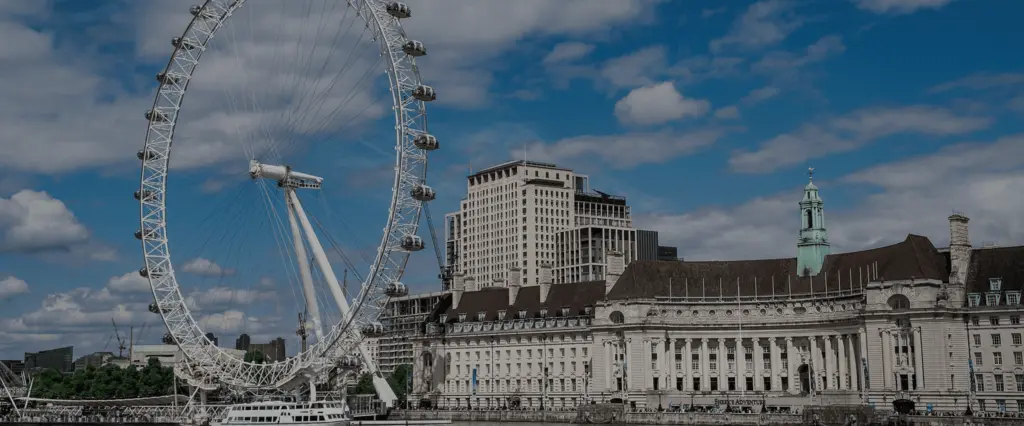
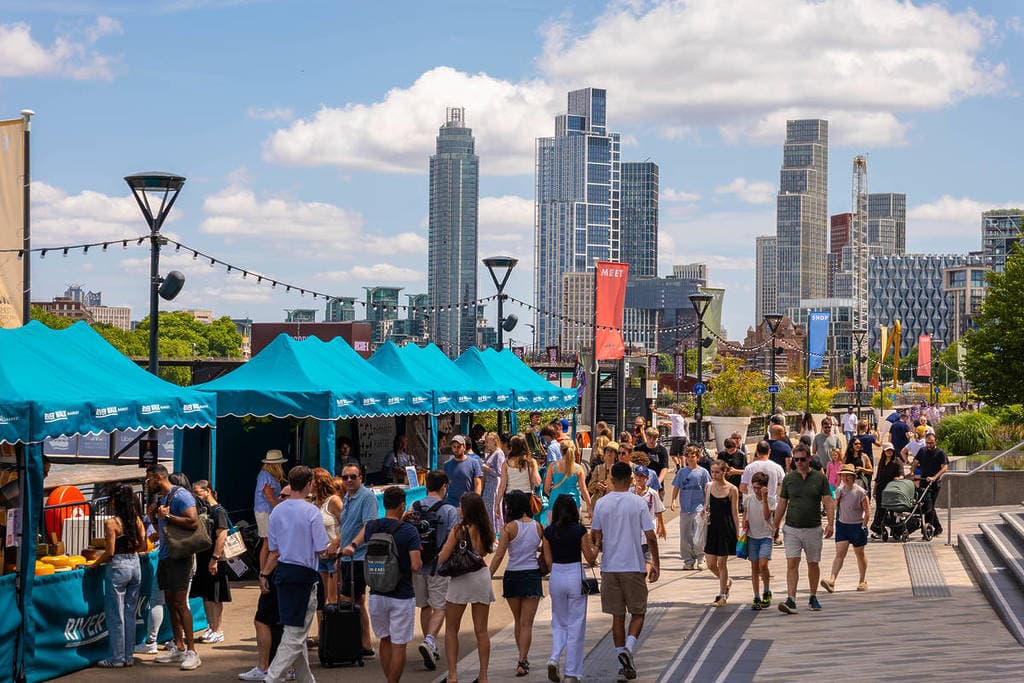
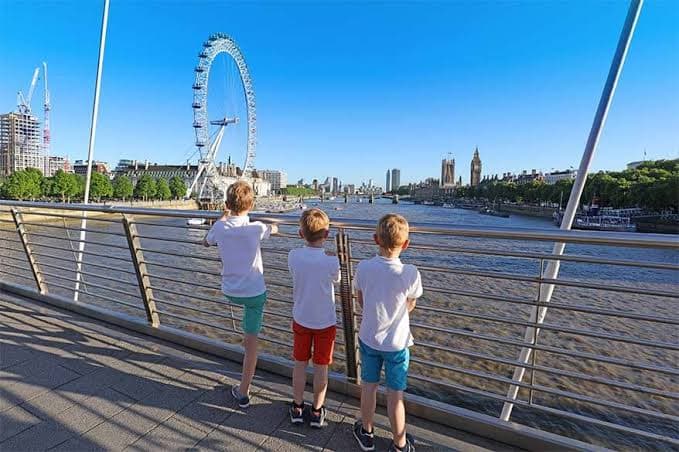
The South Bank is the single highest density stretch of attractions in London. Walk one mile of riverside path from Westminster Bridge to Tower Bridge and you pass the London Eye, the SEA LIFE Aquarium, the Royal Festival Hall, the National Theatre, the BFI, Tate Modern, Shakespeare's Globe and Borough Market, finishing at the foot of the Shard. The pedestrianised path is free, open day and night, and lined with food stalls, book stalls and views back across the river to Big Ben and St Paul's. The South Bank is the easiest neighbourhood in London to plan a full day around, as every age group, budget and interest finds something within steps of the next. After walking this stretch more times than we can count, the approach we settled on is to arrive at Westminster around 09:30 and head east. This keeps you a step ahead of the Tate Modern and Borough Market crowds that build from late morning, and you will not need a single Tube ride all day.
Top Things to Do on the South Bank
Ride the London Eye, ideally at sunset. Spend two hours at Tate Modern (free entry). See a play at Shakespeare's Globe under a real open-air sky. Eat your way through Borough Market where try Bread Ahead, Padella next door or Kappacasein cheese toasties. Walk the river path after dark when the buildings light up across the water.
South Bank: Best for / Get there / When to visit
Best for: first-timers, families, free things, sunset photographers.
Tube: Waterloo, Westminster (cross the bridge) or London Bridge.
When to visit: late afternoon to evening for the light; the market peaks Friday–Saturday.
4. Camden - Markets, Music & Alternative London
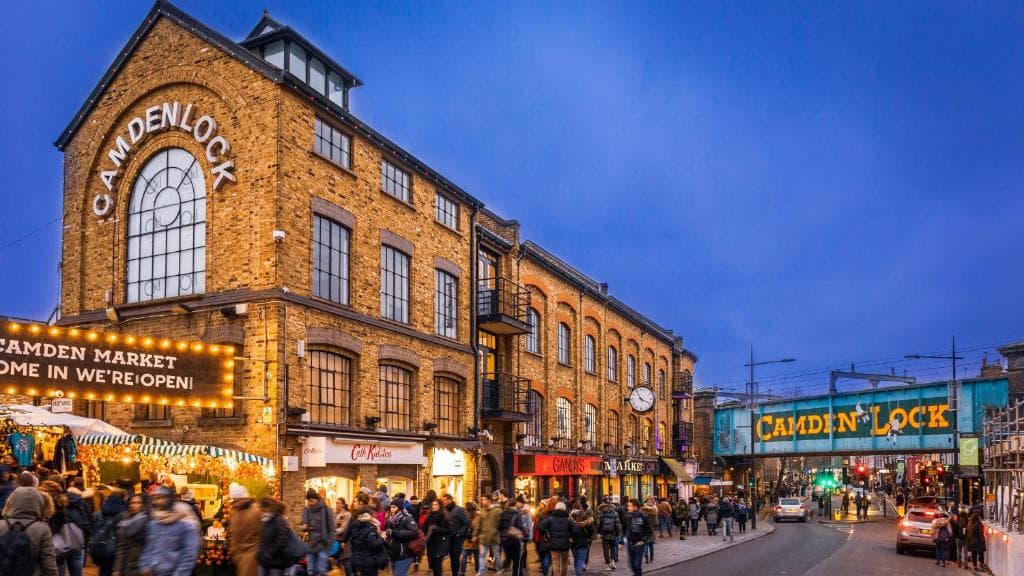
Camden is the only major London neighbourhood that has stayed faithful to its 1970s counterculture roots. The market, which is actually six interconnected markets along Regent's Canal, is the largest of its kind in Europe, selling vintage clothing, world street food and the bric a brac that has defined the area since the days of Amy Winehouse. Beyond the market, Camden is the city's live music heart, with the Roundhouse, KOKO, Electric Ballroom, Jazz Cafe and Dingwalls all within ten minutes' walk and gigs every night of the week. The thing we wish more visitors knew is that Camden is often better after the market than during it. Once the day trippers thin out around six, the Lock empties and the venues take over, and a small room gig at the Dublin Castle or the Jazz Cafe is the version of Camden the area is actually famous for. Add a canal side walk west to Little Venice or east to Granary Square in Kings Cross, ZSL London Zoo at the northern edge of Regent's Park, and Camden becomes a full day neighbourhood that costs surprisingly little to enjoy.
Top Things to Do in Camden
Browse Camden Lock Market and the Stables Market for vintage fashion and global street food. Walk the Regent's Canal towpath west to Little Venice or east to Granary Square. Catch a gig at the Roundhouse or KOKO. Visit ZSL London Zoo, on the canal at Camden's western edge. Step into the Cob Gallery or the Jewish Museum for a quieter break.
Camden: Best for / Get there / When to visit
Best for: teenagers, music fans, alternative culture, market-lovers, food trips.
Tube: Camden Town (exit-only on busy weekend afternoons - use Chalk Farm if returning).
When to visit: Saturday or Sunday from 11:00; weekday afternoons are noticeably quieter.
5. Notting Hill - Pastel Houses, Markets & Bohemian Charm
Notting Hill is the neighbourhood that launched a thousand Instagram posts. The pastel painted terraces along Westbourne Park Road and Lancaster Road are some of the most photographed addresses in London, and Portobello Road Market runs the length of the area on a Saturday morning, with antiques at the southern end, vintage clothing in the middle, and fruit and veg at the northern end near Golborne Road. Beyond the obvious, Notting Hill is also a working bohemian neighbourhood, with independent bookshops including The Notting Hill Bookshop, which is the one from the film, the Electric Cinema's leather armchair screenings, brunch institutions like Granger and Co, and Holland Park's peacocks five minutes south. End the August bank holiday here for the Notting Hill Carnival, Europe's largest street party.
Top Things to Do in Notting Hill
Walk Portobello Road on a Saturday morning, end-to-end. Find the pastel-coloured houses on Westbourne Park Road and Lancaster Road. Visit The Notting Hill Bookshop, Books for Cooks and Lutyens & Rubinstein. Catch a film with table service at the Electric Cinema. Brunch at Granger & Co or Farm Girl Café. Walk south into Holland Park for the Japanese Kyoto Garden.
Notting Hill: Best for / Get there / When to visit
Best for: couples, photographers, weekend wanderers, vintage hunters.
Tube: Notting Hill Gate (south end) or Ladbroke Grove (north end of the market).
When to visit: Saturday morning for the market; quiet weekday mornings for the photogenic side streets.
6. Kensington - Museums, Palaces & Royal Parks
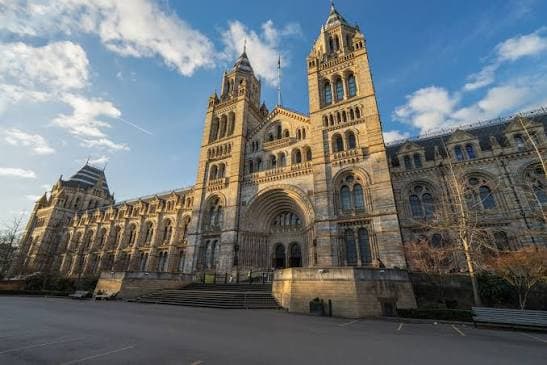
Kensington is London's culture-on-a-plate neighbourhood. Within a five-minute walk of South Kensington Tube station, three of the world's great museums offer free entry every day of the year: the Victoria & Albert (decorative arts), the Natural History Museum (dinosaurs and the blue whale skeleton in Hintze Hall) and the Science Museum (Wonderlab, the IMAX cinema, the Apollo 10 command module). Five minutes further north sits Kensington Palace, the official London residence of the Prince and Princess of Wales, set inside Kensington Gardens which roll east into Hyde Park. Add the Royal Albert Hall for a Proms concert, the Albert Memorial across the road, and a stroll along Exhibition Road for the city's most concentrated cultural day. The tip we pass on from doing this with families is to book the Natural History Museum's first free timed slot and head straight for Hintze Hall before the school groups land as by 11:00 the queue along Cromwell Road is the longest of any free attraction we know of in the city, while the V&A next door stays quiet enough to leave for the afternoon. Kensington also has some of London's most family-friendly hotels and the easiest dining for families with young children.
Top Things to Do in Kensington
Spend a full morning at the Natural History Museum booking a free timed ticket. See the V&A's fashion and ceramics collections in the afternoon. Climb to the top of the Albert Memorial for the gilded view. Tour Kensington Palace's State Rooms. Take in a concert at the Royal Albert Hall (the Proms run July–September). Picnic in Kensington Gardens by the Italian Water Gardens.
Kensington: Best for / Get there / When to visit
Best for: families, museum lovers, rainy days, free entry, music.
Tube: South Kensington for the museums, High Street Kensington for the palace.
When to visit: weekday mornings for the quietest museum experience.
7. Shoreditch - Street Art, Hipster Bars & Brick Lane
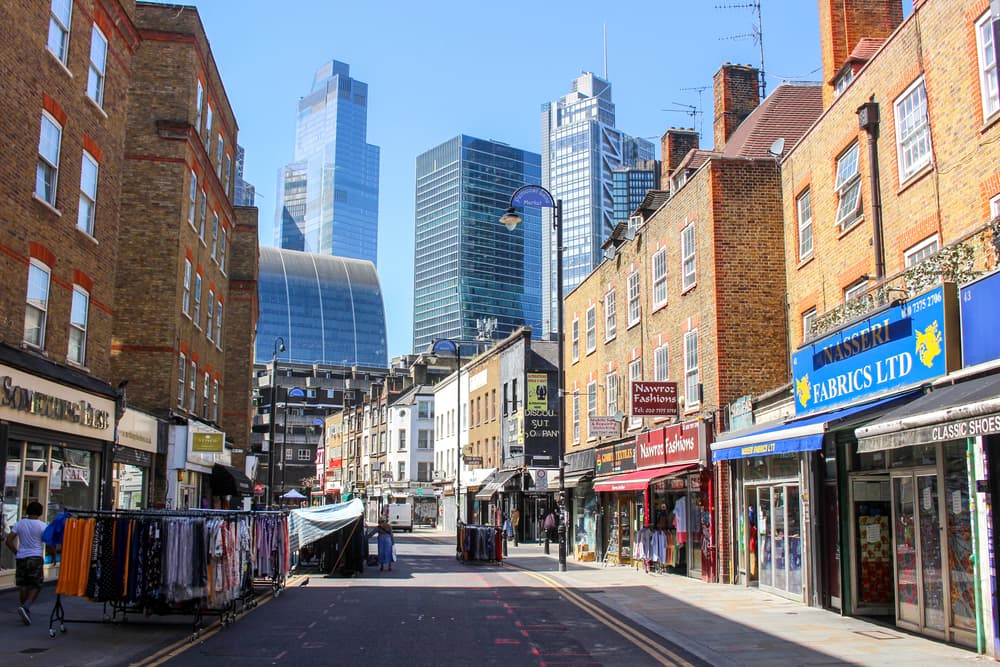
Shoreditch is the East End's creative heart and the city's most concentrated cluster of independent bars, supper clubs, vintage shops and street art. Banksy, Stik, ROA and Invader have all left work on the walls between Old Street and Brick Lane, and a guided street-art tour is the best way to read the layers. Brick Lane itself is two streets in one: the southern half is the city's heartland for curry houses and 24-hour bagel bakeries (Beigel Bake never closes), the northern half is vintage shopping anchored by the Old Truman Brewery and Old Spitalfields Market. Boxpark Shoreditch, a stack of shipping containers turned bars and street-food vendors, is the standard meeting point. The detail that catches people out is the timing: turn up on a Monday or Tuesday daytime and half the shutters are down. Every time we've brought visitors here it's been Thursday evening to Sunday afternoon, when the markets, supper clubs and street-food yards are all running at once, and when a street-art walk genuinely pays off, because the same walls get repainted so often that no two visits look the same.
Top Things to Do in Shoreditch
Take a Sunday morning street-art walking tour with Alternative LDN or Shoreditch Street Art Tours. Eat a salt-beef bagel at Beigel Bake. Browse Old Spitalfields Market on a Thursday for the antiques. Drink at Boxpark or climb to Queen of Hoxton's rooftop. Find Cereal Killer Café, the Cargo nightclub and Dishoom's flagship for breakfast.
Shoreditch: Best for / Get there / When to visit
Best for: young adults, foodies, art lovers, late-night travellers
Overground: Shoreditch High Street.
Tube: Old Street or Liverpool Street.
When to visit: Thursday evening to Sunday afternoon.
8. Greenwich - Maritime History & The Royal Observatory
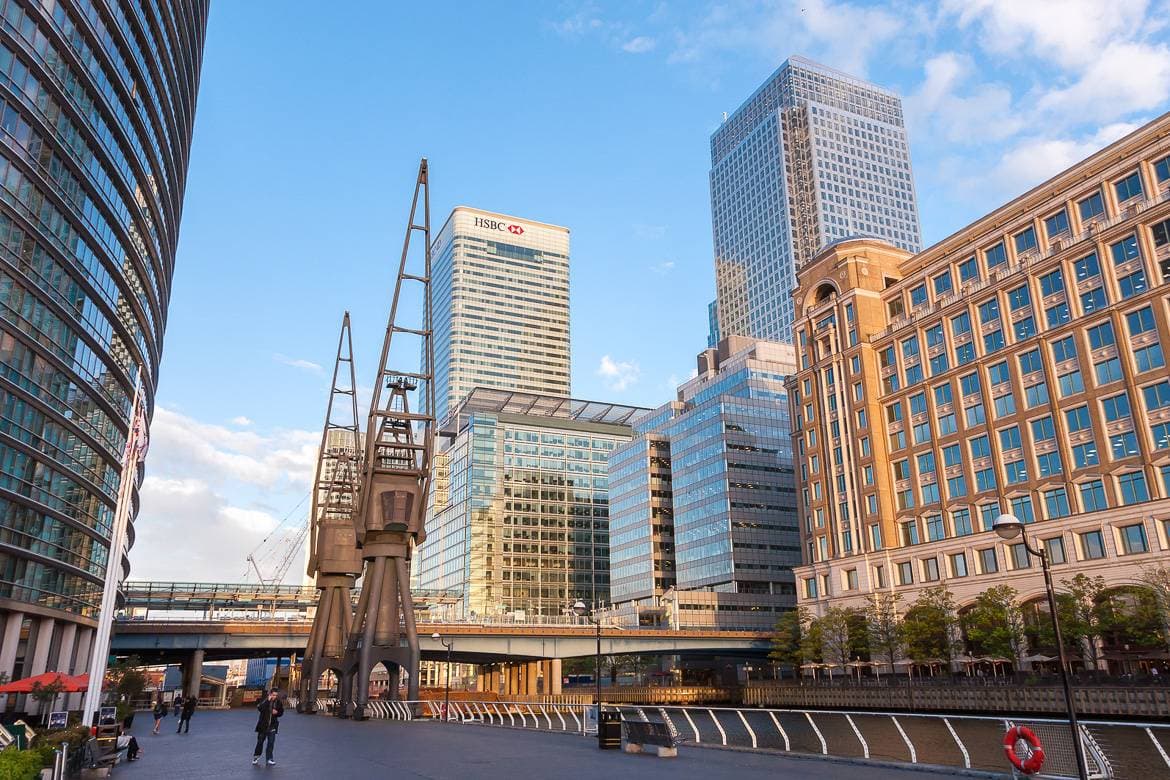
Greenwich is a UNESCO World Heritage Site that feels half river port, half quiet park town, and makes for a deliberate getaway from central London in 25 minutes by Thames Clipper. The big-hitters cluster within five minutes of Cutty Sark DLR station: the restored 19th-century clipper itself, the Painted Hall at the Old Royal Naval College (often called London's Sistine Chapel), the National Maritime Museum (free) and the Queen's House. From there, walk uphill through Greenwich Park to the Royal Observatory, where you can stand with one foot on each side of the Prime Meridian and look back over the river at Canary Wharf's skyscrapers. Greenwich Market, which is covered and open seven days a week, handles lunch. End with a pint at the riverside Trafalgar Tavern. The routing we always recommend is to take the Thames Clipper down and the DLR back: the boat turns the journey itself into a sightseeing run past the Tower and Canary Wharf, while the faster train gets you home once your legs have done the Observatory hill, a climb steeper than the photos let on, but the free view back across the river is the one we send everyone up for. A full day in Greenwich is one of the most rewarding low-cost itineraries in the city.
Top Things to Do in Greenwich
Stand on the Prime Meridian Line at the Royal Observatory. Climb aboard the Cutty Sark. Visit the Painted Hall and the Queen's House (both free). Browse Greenwich Market on a weekend. Walk under the Thames in the foot tunnel. Take the IFS Cloud Cable Car back across the river to the O2.
Greenwich: Best for / Get there / When to visit
Best for: families, history fans, half-day or full-day trips, river travellers.
Best route in: Thames Clipper from Westminster (40 min, scenic) or DLR to Cutty Sark (25 min, faster).
When to visit: any day; the market is best at the weekend.
9. Stratford - Olympic Park & East-End Modern
Stratford is what the rest of east London might look like in a decade. Built up around the 2012 Olympic Games, Queen Elizabeth Olympic Park is the largest new green space created in London for a century, with the London Stadium (West Ham), the Aquatics Centre (open to swim in), the Lee Valley VeloPark (book a velodrome session), and the ArcelorMittal Orbit, a 114-metre sculpture with the world's longest tunnel slide spiralling down its side. Westfield Stratford City, next door, is the largest urban shopping centre in Europe. The Elizabeth line puts the centre of Stratford 12 minutes from Liverpool Street and seven minutes from Canary Wharf, which is closer to central London than Notting Hill. Add the V&A East Storehouse opening through 2026 and Stratford is rapidly becoming an essential half-day on any modern London itinerary.
Top Things to Do in Stratford
Ride the slide down the ArcelorMittal Orbit. Swim a lane at the London Aquatics Centre, both for under £6. Book a velodrome taster session at the Lee Valley VeloPark. Walk the Olympic Park's River Lea path. Shop at Westfield Stratford. Eat at Here East's canal-side restaurants.
Stratford: Best for / Get there / When to visit
Best for: families with active kids, sports fans, shoppers, modern-architecture interest.
Tube/Elizabeth/DLR: Stratford.
When to visit: any day, but the Park is best on a clear afternoon.
10. Richmond - Riverside Charm, Deer & Kew Gardens
Richmond is the neighbourhood Londoners go to when they want to leave London without leaving London. Set on a graceful bend of the Thames in the city's south west, it combines Richmond Park, at 2,500 acres the largest of the royal parks with 600 wild fallow and red deer roaming free, with a riverside town centre of Georgian houses, independent shops and pubs spilling out onto the water. From Richmond it is a 15 minute walk along the river to Kew Gardens, a separate UNESCO World Heritage Site and the most important botanic garden in the world, or 30 minutes by river to Hampton Court Palace. The view from the top of Richmond Hill is the only view in England protected by Act of Parliament and is unchanged since Turner painted it. This is the day we deliberately slot in as the slow one on a longer trip. Go midweek if you can, walk into the park from the town gate rather than hunting for a car park, and in spring head straight for the Isabella Plantation, the one corner of Richmond Park most visitors miss and the part we keep going back for. A day here is the perfect reset between central London days.
Top Things to Do in Richmond
Walk or cycle in Richmond Park and watch for the deer. Visit Kew Gardens and see the Great Pagoda, the Palm House and the Temperate House. Take the riverboat to Hampton Court Palace. Climb Richmond Hill for the protected view. Eat at Petersham Nurseries or have a pint by the water at the White Cross. Cross the river at Petersham for a quiet woodland walk.
Richmond: Best for / Get there / When to visit
Best for: couples, walkers, families with older kids, anyone needing a reset.
Tube: District line to Richmond; Overground also runs there.
When to visit: a full day in spring or autumn for the best light in the park.
How to Choose a London Neighbourhood by Interest
Other London Areas Worth Exploring
How to Plan a London Itinerary by Neighbourhood
One Day: Central London - Westminster → Soho → Covent Garden
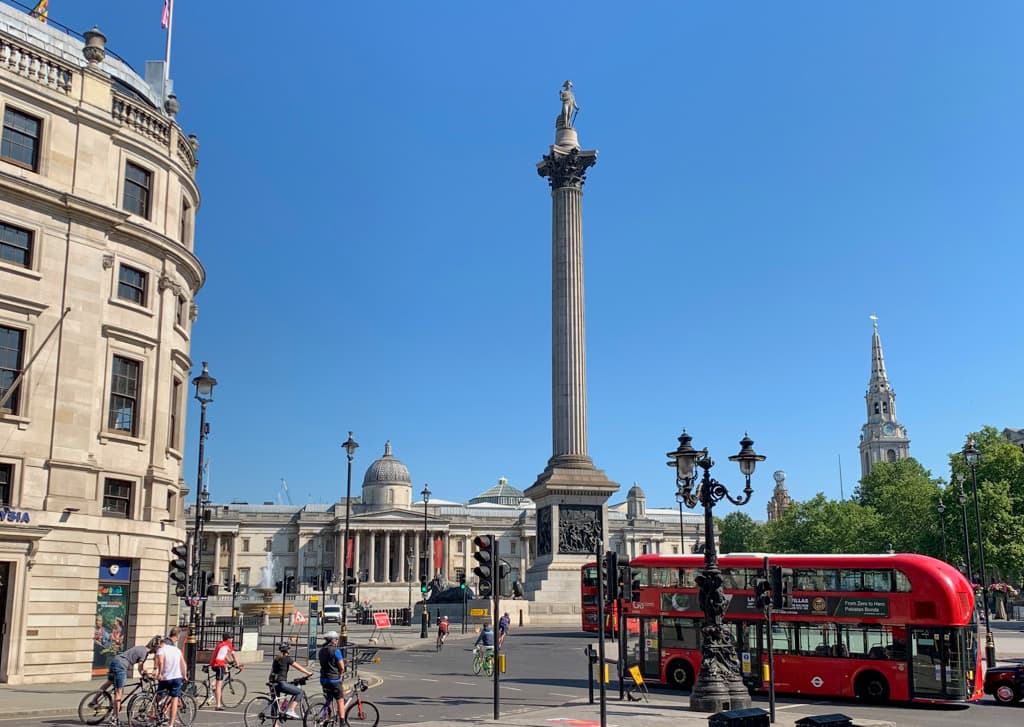
Start at Westminster station (09:00) for Big Ben, the Abbey and the Houses of Parliament. Walk Whitehall to Trafalgar Square for an hour in the National Gallery. Cut north into Soho for lunch in Chinatown. Browse Carnaby Street, then drop into Covent Garden for the buskers and the Royal Opera House. Dinner and a West End show finish the day. One day, no Tube ride after the start.
Two Days: Central + South Bank + Tower of London
Day 1 follows the one-day route above.
Day 2 begins at the Tower of London (book first entry), crosses Tower Bridge, walks west along the South Bank past the Shard, Borough Market, Tate Modern, Shakespeare's Globe and the London Eye, and ends at Westminster. Two days, three neighbourhoods, every major central sight.
Three Days: Add East (Shoreditch) & West (Notting Hill + Kensington)
Day 1 follows the one-day route above.
Day 2 follows the two-day route above.
Day 3 splits between east and west. Morning in Shoreditch for the street-art tour, Brick Lane bagels and Spitalfields Market. Afternoon Tube ride west and get off at South Kensington for an hour at the V&A, then walk through Kensington Gardens to Notting Hill for Portobello Road and a sunset drink. Three days covers every quadrant of the city.
Frequently Asked Questions About London Neighbourhoods
Soho and Covent Garden share the title in central London, as both are pedestrianised, packed with restaurants and theatres, and recognisable from a hundred films. Notting Hill is the most internationally recognised after the 1999 film, thanks to its pastel houses and Portobello Road Market.
First time visitors do best in Soho, Covent Garden or the South Bank, as everything central is walkable from these three. Families should consider Kensington for the museums and Hyde Park nearby, while younger travellers tend to prefer Shoreditch or King's Cross. The mistake we see most often is booking a cheaper room well out east or south to save money on a short trip, then losing the best part of an hour each way on the Tube. On a three or four night stay, paying a little more to be central almost always buys back more time than it costs.
Shoreditch has been London's trendiest district for two decades thanks to its street art, independent bars and creative industry workforce. Peckham and Hackney are the next wave alternatives, slightly less polished, with more of the supper clubs and rooftop bars that defined early Shoreditch.
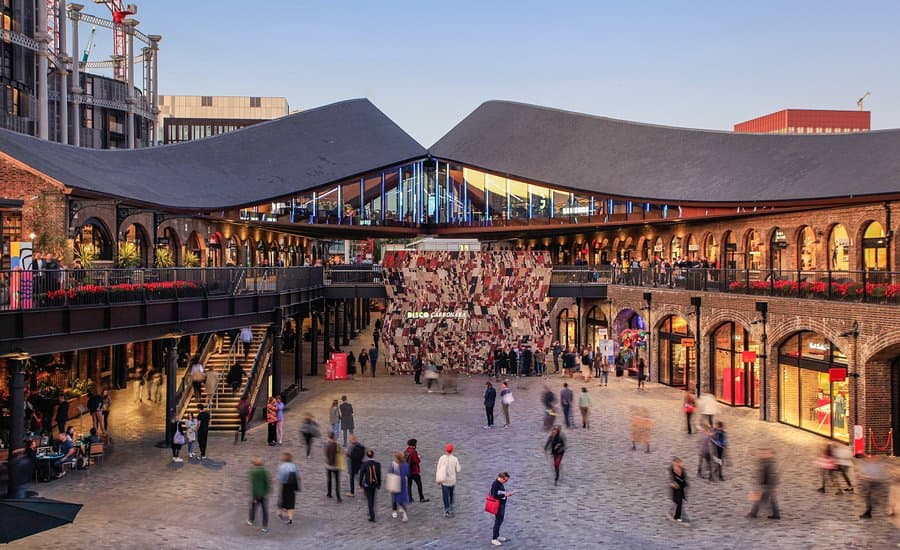
For variety, Soho with bars, clubs, comedy and supper clubs all on one square mile. For hip bars and dance floors, Shoreditch and Dalston. For live music, Camden with the Roundhouse, KOKO and a dozen smaller venues run gigs nightly. For late-opening cocktail bars, head to Coal Drops Yard in King's Cross.
The South Bank wins for density, as within a one mile riverside walk you have the London Eye, Tate Modern, Shakespeare's Globe, Borough Market and the Shard. Kensington wins for free things to do, as three world class museums all charge nothing for their permanent collections.
All ten neighbourhoods in this guide are safe for tourists during the day and well into the evening - between us we're out in them at all hours and treat them the way we would any major city. Standard urban precautions apply: keep an eye on belongings on crowded Tube trains and at busy markets like Camden and Portobello, where the press of people is the main pickpocket risk we ever flag, and stick to lit main streets after midnight. Soho, Covent Garden and the South Bank stay busy and well-policed until late.
About the author: The London Tickets Team We're a London-based team who book, visit, and re-check the city's attractions for a living. Between us we've logged hundreds of days on the ground, queuing at the actual Tube exits, eating in the markets, timing the sunset on the South Bank, so the recommendations here come from repeat visits rather than press releases. Every price, opening time, and "best for" call in this guide was verified in 2026, and we update it whenever something closes, moves, or starts charging. Spotted something out of date? Tell us and we'll fix it.